

We're living longer and longer—and we all want to do so with energy, health, and quality of life. Among the strategies for achieving this lasting well-being, antioxidants stand out as powerful allies, capable of protecting the body from cellular wear and tear and delaying signs of aging.
With the growing interest in healthy lifestyles, the demand for antioxidant-rich foods and supplements to complement a balanced diet is also increasing. You've heard of their benefits, but do you really know how they work? Let's discover the role of antioxidants in fighting free radicals, where you can find them, and how to include them in your daily routine to boost vitality and extend longevity.
What are antioxidants?
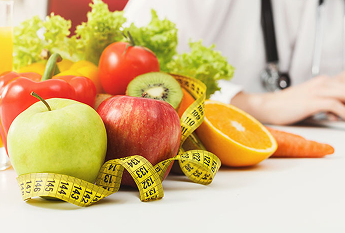
Antioxidants are substances found in foods such as fruits, vegetables, seeds, and nuts, but can also be obtained through supplements. Their main function is to neutralize free radicals—unstable molecules that occur naturally in the body or due to external factors such as pollution, tobacco, ultraviolet radiation, and stress . When accumulated in excess, these free radicals can damage cells, proteins, and DNA, accelerating aging and increasing the risk of chronic diseases. This is where antioxidants come into play, functioning as the body's natural defenses.
How do antioxidants act in the body?
The neutralization of free radicals by antioxidants is a fascinating process that ensures the maintenance of cellular health every day. Antioxidants donate electrons to unstable molecules, stabilizing them and preventing them from causing cell damage. This mechanism helps reduce cellular oxidation, which is a major driver of aging and age-related diseases . Some antioxidants also stimulate cell regeneration, improve communication between cells, and strengthen the immune system, boosting overall health.
Prevention of premature aging and chronic diseases
By reducing oxidative stress, antioxidants help preserve cell integrity, delaying visible signs of aging such as wrinkles, loss of skin elasticity, or brittle hair 2 .
The benefits aren't limited to aesthetics. Oxidative stress is directly linked to chronic inflammation, a major risk factor for diseases such as hypertension, type 2 diabetes, atherosclerosis, and neuronal degeneration . By neutralizing free radicals, antioxidants help protect the heart, brain, and metabolism, promoting a longer, healthier life.
Remember, however, that antioxidants don't work alone. To maximize their effects, it's essential to maintain a balanced lifestyle with a varied diet, adequate hydration, regular exercise, and restful sleep.
Antioxidant supplements for longevity
Although fruits, colorful vegetables, seeds, vegetable oils, and spices like turmeric are good sources of antioxidants, factors such as a fast-paced lifestyle, pollution, smoking, stress, and aging can increase the production of free radicals and limit the absorption of these nutrients. In these situations, supplementation is a practical way to ensure adequate levels and strengthen the body's defenses.
Types of supplements include:
1. Antioxidant vitamins
Vitamin C neutralizes free radicals and is essential for collagen production, helping to maintain firm and healthy skin and protecting joints . 3 Vitamin E protects cell membranes against oxidation and contributes to the health of the cardiovascular system . 4
2. Antioxidant minerals
Minerals such as selenium and zinc activate the action of antioxidant enzymes already present in the body, making them more effective . 2 Selenium has been linked to protecting the heart and immune system, while zinc contributes to cell regeneration and maintaining healthy skin.
3. Plant compounds
Polyphenols, flavonoids and carotenoids are plant-based antioxidants with anti-inflammatory and neuroprotective properties: they help prevent chronic diseases and preserve memory and cognitive function as we age 5 .
4. Essential fatty acids
Omega-3 fatty acids have anti-inflammatory and antioxidant properties, protecting the heart, brain, and joints . 6 Supplementation is especially useful in diets low in fish or for people who require greater cardiovascular protection.
5. Probiotics
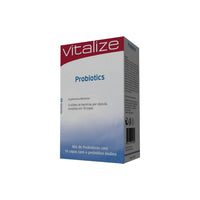
Although best known for their impact on digestive health, some probiotics have indirect antioxidant effects, modulating inflammation and improving the absorption of essential nutrients . 7 In general, a balanced gut flora strengthens the immune system and helps reduce oxidative stress.
Benefits and precautions for supplementation
When used appropriately, antioxidant supplements can provide significant benefits to health and quality of life:
- Skin and tissue health : stimulates collagen production and reduces oxidation, maintaining skin firmness, elasticity and hydration, while attenuating signs of aging 1,8 ;
- Cardiovascular and brain protection : reduces the impact of oxidative stress on arteries and nerve cells, promoting a healthy heart and an active mind 2 ;
- Strengthening the immune system : stabilizes cells and tissues, promoting a more effective and balanced immune response 1,9 ;
- Prevention of chronic diseases : decreases low-grade inflammation associated with type 2 diabetes, hypertension and neurodegenerative diseases 1 .
It's important to remember that more isn't always better. Excess antioxidants can also be harmful, as the body needs a balance of free radicals and antioxidants to function properly. Therefore, choosing the right supplements, at the appropriate dosage, should be done based on professional guidance.
Recommended antioxidant supplements
If you're looking for practical, targeted solutions, there are now several supplements that combine different antioxidants and essential nutrients, strengthening the body's natural defenses and supporting specific needs.
- Curcumin : Studies show its ability to reduce markers linked to cardiometabolic aging 10 .
- Astaxanthin : Promotes a modest reduction in oxidative stress and inflammation, in addition to improving the lipid profile 12 ;
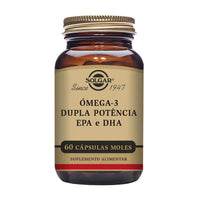
- Double-strength omega-3 : protects the heart and brain, with anti-inflammatory action and support for cognitive function 11 ;
- Coenzyme Q10 ( CoQ10 ) : acts as a cellular antioxidant and protects the heart, in addition to contributing to the production of energy in the mitochondria 13 ;
Each supplement has specific formulations designed to support different areas of the body, offering a holistic approach to health without replacing a balanced lifestyle.
Investing in antioxidants goes beyond aesthetic well-being
You already know that antioxidants are essential for protecting the body, slowing cellular aging, and reducing the risk of chronic diseases. But with the challenges of everyday life, we can't always get everything we need from these nutrients through food alone. This is where supplementation—done consciously and in a balanced way—becomes a valuable aid, complementing a varied diet and a healthy lifestyle.
Investing in antioxidants is a strategy to strengthen the body's natural defenses and take care of your health from the inside out, preserving vitality and quality of life over the years.
Promote your health with Bioself
If you enjoyed this article, explore our blog for more educational content on topics related to nutrition, supplementation, and well-being. You'll also find some delicious recipes.
You can also receive all content directly to your inbox by subscribing to our newsletter. When you do, you'll get access to a surprise: an ebook on dietary supplements!
Referências
Aviso legal
This article is not intended to diagnose, treat, or replace medical advice. Its content is for informational purposes only. Consult a doctor or healthcare professional regarding any medical diagnosis or treatment options related to your health. The claims made about specific products in this article are not approved to diagnose, treat, cure, or prevent disease.