

Have you ever heard of vitamin B9, better known as folic acid? You might associate it with its importance during pregnancy, but this vitamin's role goes far beyond that. It's an invisible engine that keeps the body functioning: it helps form DNA, participates in the production of red blood cells, and protects the heart and brain.
Despite this, many people don't know if they consume the necessary amount or what the best foods are to ensure they get this essential nutrient. It's essential to know the main sources of folic acid and in which situations the body may need supplementation. Let's explore what vitamin B9 does for your body, its potential benefits, and where you can find it!
What is vitamin B9 (folic acid) and why is it important?
Vitamin B9 is a water-soluble B-complex vitamin that plays a key role in cellular metabolism. Since our bodies cannot store it in large quantities, ensuring regular intake through food or supplements is essential.
Folic acid is crucial for the production and maintenance of new cells, especially during periods of rapid growth, such as childhood and pregnancy. Furthermore, it participates in the formation of DNA and RNA, the genetic “instructions” that determine how cells function and regenerate . <sup> 1</sup>
When vitamin B9 levels are insufficient, vital bodily processes can be compromised, including red blood cell production and the maintenance of the nervous system. Although folic acid deficiency is uncommon, it is important to be aware of signs such as pain and ulcers on the tongue and oral mucosa, changes in the skin and hair, or even elevated homocysteine levels in the blood . <sup> 1</sup>
Main health benefits of vitamin B9
1. Prevention of birth defects
One of the best-known benefits of folic acid is the prevention of neural tube defects in babies during gestation, such as spina bifida. Pregnant women or those planning to become pregnant are advised to ensure adequate intake of B9 before conception and at least during the first few months of pregnancy, when the initial development of the fetal nervous system occurs .
2. Cardiovascular health
Folic acid helps reduce levels of homocysteine, an amino acid found in the blood that, when elevated, is associated with a higher risk of heart disease. By contributing to the metabolism of homocysteine, vitamin B9 protects the heart and blood vessels 1,2 .
3. Formation of red blood cells
Folic acid is essential for the production of healthy red blood cells. Vitamin B9 deficiency can lead to megaloblastic anemia, characterized by symptoms of fatigue, weakness, and lack of energy 1,2 .
4. Mental health and cognitive function
Vitamin B9 also plays an essential role in brain function. Several studies associate adequate levels of folic acid with a lower incidence of depression and improvements in memory, making it an important ally for mental health, especially among the older population 2,3 .
5. Support for the immune system
By participating in the formation of new cells, folic acid helps the body maintain a strong and efficient immune system, fighting infections and strengthening the body's natural defenses 3 .
How to take vitamin B9 and who should take it.
The daily requirement for folic acid varies according to age, sex, life stage, and health status. For healthy adults, the recommended intake is about 330 micrograms (µg) per day. In the case of pregnant women, this value increases to approximately 600 µg daily, due to the higher nutritional demands of pregnancy . <sup>4</sup>
Vitamin B9 can be obtained naturally through food or, when necessary, through supplements. In some cases, such as during pregnancy, lactation, or in people with more restrictive diets (for example, vegans), supplementation is often essential to ensure adequate levels.
However, before starting any supplement, it is important to consult a healthcare professional, as excessive consumption of folic acid can also cause unwanted side effects.
What are the best food sources of vitamin B9?
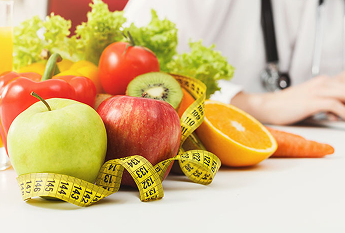
Vitamin B9 is present in many foods, especially vegetables (particularly dark green leafy vegetables), fruits, nuts, legumes, minimally processed grains and their derivatives, meats, seafood, and eggs . Among the best dietary sources are :
- Leafy vegetables, such as cooked Brussels sprouts (to preserve nutritional content);
- Legumes, especially cowpeas, but also other types of beans, grains, and lentils;
- Cooked asparagus, which, in addition to being an excellent source of vitamin B9, are also rich in vitamins A, C, and K;
- Fortified cereals, including many wheat- or rice-based breakfast cereals (and corn, although with a lower folic acid content);
- Wheat bran, which you can add to yogurt or cereal;
- Products of animal origin, including liver, eggs and milk.
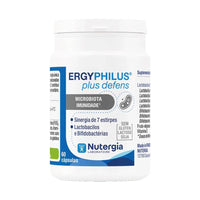
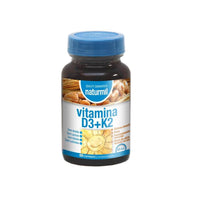
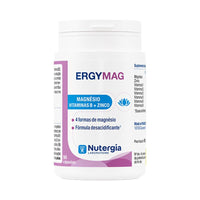
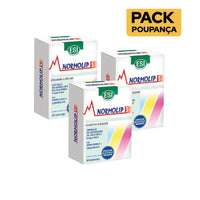
Recommended Folic Acid Supplements
For those who have difficulty meeting the recommended daily intake through diet alone, folic acid supplements are a practical and effective option, available primarily in tablet form, but also as capsules.
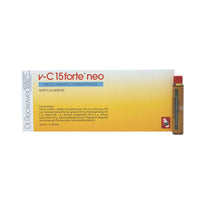
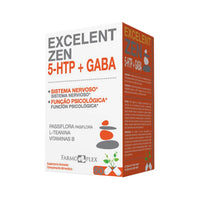
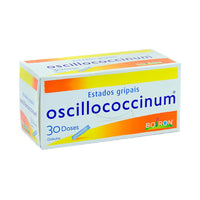
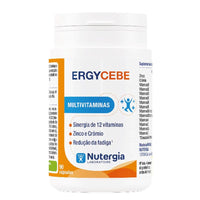
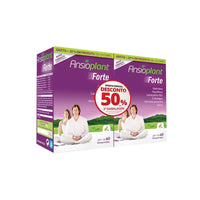
Many supplements combine folic acid with other B vitamins, enhancing absorption and the overall effect on the body. The effectiveness of supplementation is proven and is especially recommended in situations of pre-conception, pregnancy, or restrictive diets—always following the guidance of a healthcare professional to ensure safe consumption. At the end of this article, we leave some suggestions for folic acid supplements.
Conclusion
Vitamin B9, or folic acid, is an essential nutrient that deserves attention at all stages of life, not just during pregnancy. Due to its role in cellular, cardiovascular, immune, and mental health, ensuring adequate intake is fundamental.
Although a complete and balanced diet usually meets folic acid needs, it's important to pay attention to signs of deficiency and, if necessary, seek supplementation under expert guidance. To keep your body healthy and help prevent disease, it's ideal to regularly include some of the foods richest in folic acid in your diet—never underestimating the importance of this vitamin.
Promote your health with Bioself.
If you enjoyed this article, explore our blog to read more educational content on topics related to nutrition, supplementation, and well-being. You'll also find some delicious recipes.
You can also receive all content directly in your inbox by subscribing to our newsletter. When you do, you'll get a surprise: an ebook about nutritional supplements!
Referências
Aviso legal
This article is not intended to diagnose, treat, or replace medical advice. Its content is for informational purposes only. Consult a doctor or healthcare professional regarding any medical diagnosis or treatment options related to your health. The claims made about specific products in this article are not approved to diagnose, treat, cure, or prevent disease.