

Even in small amounts, copper is one of those minerals that the body needs to function properly.
In this article, you will understand:
- The reason why copper is so important for your health;
- Where can you find this mineral?
- In which cases might it be worthwhile to consider supplementation?
What is copper and what role does it play in the body?
Copper is an essential mineral, meaning the body does not produce it and depends entirely on food to obtain it . Despite being needed in very small quantities, copper is involved in several fundamental biological processes.<sup>1 </sup> .
Among the main functions of this mineral are 2 :
- Energy production : copper is part of enzymes that help cells transform nutrients into energy;
- Formation of collagen and connective tissue : contributes to the strength and elasticity of skin, bones, and blood vessels;
- Iron absorption and utilization : it is essential for the proper transport of oxygen in the blood, preventing anemia;
- Functioning of the nervous system : it participates in the formation of myelin, the protective layer of neurons, essential for good communication between nerve cells;
- Immune system support : helps the body defend itself against infections and inflammation;
- Antioxidant action : combats oxidative stress, protecting cells against damage caused by free radicals.
Copper also interacts with other minerals, such as zinc and iron. The balance between them is important . For example, excessive zinc intake can reduce copper absorption and lead to a deficiency.
In short, copper is a small but powerful ally of the human body . Without it, several essential metabolic functions simply don't happen as they should.
Copper: What is it used for? The health benefits.
Copper may be a micronutrient, but its impact is macroscopic. It acts on several fronts and contributes to the proper functioning of the body in an integrated way.
Here are the main proven benefits :
- Cardiovascular health : Copper helps maintain the elasticity of blood vessels and regulate cholesterol. An adequate level contributes to healthy circulation and reduces the risk of heart problems.
- Strengthening bones : it participates in collagen formation and bone mineralization, working in conjunction with calcium, magnesium, and zinc. Copper deficiency may be associated with weaker bones and an increased risk of osteoporosis .
- Brain function : Copper is essential for the formation of myelin, which protects neurons and allows for good transmission of nerve impulses. It also helps in the production of neurotransmitters important for memory and emotional balance.
- Stronger immune system : this mineral participates in the production and activation of immune cells, strengthening the body's natural defenses against infections;
- Healthier skin and hair : Copper is a cofactor in the production of melanin, the pigment responsible for skin and hair color. It also supports cell regeneration and collagen synthesis, which helps with skin firmness and elasticity.
- Antioxidant power : Copper is part of the enzyme "superoxide dismutase," one of the body's main lines of defense against free radicals. This antioxidant effect helps slow down cellular aging and protect against chronic diseases.
In short, copper helps the body function in a balanced and resilient way. When levels are adequate, it can be felt in energy levels, immunity, and even physical appearance .
Natural Sources of Copper
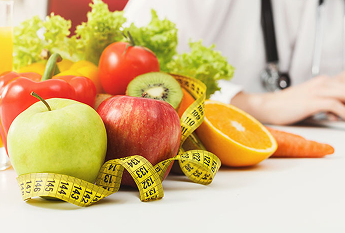
Copper is present in many foods, making it relatively easy to obtain the necessary amount of this mineral through a balanced diet.
In most cases, you don't need to resort to supplements. Simply include some natural sources in your diet. The two main ones are :
- Liver and offal : beef or chicken liver, in particular, are among the foods richest in this mineral;
- Seafood : oysters, mussels, shrimp, and crab are good options;
- Nuts and seeds : almonds, cashews, walnuts, sunflower seeds, and sesame seeds provide copper and healthy fats;
- Legumes : chickpeas, lentils, and beans contribute to a good daily intake;
- Whole grains : oats, quinoa, and buckwheat contain small but consistent amounts of copper;
- Dark chocolate : besides antioxidants, it's a good source of copper, as long as you consume it in moderation.
In general, a varied diet is sufficient to cover daily requirements, which are around 1.3 mg per day for a healthy adult 3 .
It's also important to consider bioavailability, meaning how much your body can absorb. Remember that absorption can be reduced when there is excessive consumption of zinc or iron. Therefore, a balance between minerals is essential .
Copper Supplementation: When Does It Make Sense?
There are situations in which the body may have difficulty absorbing or maintaining adequate levels of copper. In these cases, supplementation may be considered.
The main situations in which it may make sense to include copper as a supplement are:
- Diagnosed deficiency : although rare, it can occur due to intestinal malabsorption, very restrictive diets, or prolonged use of zinc supplements, which reduce copper absorption. Symptoms include fatigue, weakness, anemia, hair loss, pale skin, and mild neurological deficits ;
- Pregnancy and breastfeeding : copper requirements increase during these phases, as the mineral is essential for the baby's growth and development;
- Chronic bowel diseases : conditions such as celiac disease, Crohn's disease, or ulcerative colitis can impair the absorption of micronutrients, including copper;
- Vegetarian or vegan diets : although there are good plant-based sources of copper, poorly planned diets can lead to long-term deficiencies.
When there is a proven need, supplementation should be done under medical supervision. Copper is available in various forms, such as gluconate, sulfate, or copper oxide, and the dose should be adjusted according to individual analyses and needs.
It is important to emphasize that excess copper is just as harmful as a deficiency. The maximum tolerable intake for adults is 5 mg per day , and exceeding this amount can cause toxicity.
Risks of Excess Copper
Although copper is essential, an excess of it can be toxic , potentially causing cell death . <sup>4 </sup> The human body has a limited capacity to eliminate much copper, which can lead to a gradual accumulation of the mineral, especially in the liver and brain . <sup> 4 </sup>
The main risks and symptoms associated with excess copper include:
- Nausea, vomiting, and abdominal pain;
- Fatigue and persistent headaches;
- Gastrointestinal irritation;
- Mood swings and difficulty concentrating;
- Liver damage in cases of prolonged exposure.
Excess can occur due to improper supplementation, exposure to contaminated water (in old copper pipes), or rare genetic diseases, such as Wilson's disease, which prevents the body from eliminating copper correctly 4 .
Balance is therefore the key point: copper is indispensable, but its use must be controlled.
Whenever there is suspicion of excess (or deficiency), it is best to have tests done and follow medical advice before taking any supplement.
Conclusion
Copper is an essential micronutrient with a direct impact on several vital functions, from energy production to brain, bone, and immune health.
The good news is that, with a varied diet, it's easy to get the necessary copper.
However, both deficiency and excess can pose risks. Therefore, the rule is simple: balance .
Avoiding unnecessary supplementation and maintaining a healthy lifestyle remains the best way to ensure adequate copper levels.
Promote your health with Bioself.
If you enjoyed this article, explore our blog to read more educational content on topics related to nutrition, supplementation, and well-being. You'll also find some delicious recipes.
You can also receive all content directly in your inbox by subscribing to our newsletter. When you do, you'll get a surprise: an ebook about nutritional supplements!
Referências
Aviso legal
This article is not intended to diagnose, treat, or replace medical advice. Its content is for informational purposes only. Consult a doctor or healthcare professional regarding any medical diagnosis or treatment options related to your health. The claims made about specific products in this article are not approved to diagnose, treat, cure, or prevent disease.