

Dietary supplements are increasingly common in the routines of those looking to improve their health, enhance athletic performance, or prevent nutritional deficiencies. However, you need to choose the right supplements and know how and when to take them! I'll explain everything about how supplementation works and reveal the most common mistakes you should avoid to ensure effectiveness and safety.
What are dietary supplements?
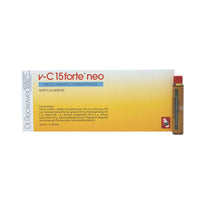
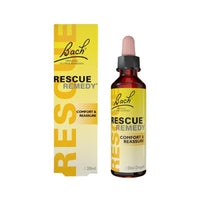
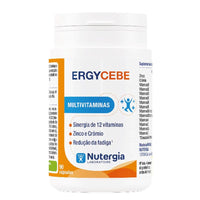
Dietary supplements are foodstuffs intended to complement or supplement the normal diet by providing nutrients or other substances with nutritional or physiological effects in concentrated doses . 1 They are available in convenient, metered formats—such as capsules, tablets, ampoules, drops, or powder sachets—that allow for simple, controlled consumption.
Today, the market offers a huge variety of supplements: vitamins, minerals, amino acids, essential fatty acids, fiber, plants, and plant extracts. This diversity is good news, but it can also lead to confusion and make choosing difficult. Therefore, it becomes even more important to seek professional guidance to select the supplements best suited to individual needs.
What should you consider when taking dietary supplements?
1. Individual needs
This is the starting point; supplementation should always be personalized, based on your medical history and, ideally, laboratory tests. Each person has a unique nutritional profile and may have different deficiencies and vulnerabilities, and in some cases, nutritional excess can even have undesirable consequences—one example is vitamin A, which in high doses causes symptoms such as nausea, headaches, skin changes, and liver problems. General supplements aren't enough to feel benefits, and it's not a good idea to take a supplement just because you've heard it's "good for you."
2. Respect the recommended doses
Personalized guidance is essential to determine supplement doses that provide benefits without exposing you to the toxicity risks associated with excess nutrients. If you don't have specialized guidance, play it safe: for each supplement, health insurance companies establish a UL (Tolerable Upper Intake Level)—the maximum daily amount of a nutrient considered safe for most healthy people . Exceeding this amount significantly increases the risk of adverse effects.
3. Know when to take it
Incorporating supplementation into your daily routine can be challenging, especially if you're taking multiple supplements at the same time. Taking them together may not be recommended: besides the risk of negative interactions, it can reduce the absorption efficiency of each nutrient.
By understanding each supplement's "bioavailability"—that is, how the supplement is absorbed and utilized by the body—you can choose the best combinations and determine the appropriate time for intake, ideally with a meal. Some practical examples:
- Fat-soluble vitamins (A, D, E, K) are better absorbed when combined with sources of healthy fat (olive oil, avocado, nuts) 3 ;
- Iron absorption is difficult when taken together with sources of calcium (dairy products, for example) and caffeine, but is favored by vitamin C 4 ;
- Magnesium and calcium compete for absorption, so it is preferable to take them at different times of the day 5 ;
- Probiotics should not be taken near hot meals or antibacterial medications or supplements (antibiotics), which may reduce their effectiveness 6 .
4. Consistency and patience
Supplements can take weeks or even months to show visible effects. Discipline and consistency are key: don't give up or stop supplementing just because you don't see immediate results. Furthermore, it's important to remember that supplements are only an aid—they don't replace a balanced diet, regular exercise, quality sleep, or effective stress management.
5. Quality and certification
The quality of the supplements makes all the difference in results. One of the factors that influences effectiveness is the chemical form of the nutrients—in the case of magnesium, for example, bisglycinate supplements have greater bioavailability than oxide supplements.
Purity is another essential aspect: supplements with GMP (Good Manufacturing Practices) certification or equivalent offer greater assurance of quality, safety, and the absence of contaminants . 7 You should also be aware of artificial colors, preservatives, or added sweeteners , which can be harmful when consumed regularly. Whenever possible, opt for simpler, more transparent formulas.
Finally, remember: price shouldn't be the main criterion. Very cheap supplements can compromise quality, purity, and safety, and this can be costly in the long run.
6. Pay attention to possible interactions
If you take dietary supplements simultaneously with medications, it's important to be aware that interactions between the two can occur. These combinations can not only reduce the effectiveness of treatment but also cause adverse effects. Again, monitoring by a healthcare professional is the safest way to ensure effective and risk-free supplementation. Documented examples of interactions include:
- Vitamin K interferes with the drug warfarin, causing coagulation instability 8 ;
- St. John's wort may reduce the effectiveness of oral contraceptives and immunosuppressants 9 ;
Strategies to optimize supplementation
- Assess your needs with a healthcare professional before starting supplementation;
- Performs regular monitoring with biochemical analyses to confirm levels and adjust doses;
- Choose bioavailable supplement forms that the body can absorb and use more efficiently;
- Combines supplements and foods intelligently, respecting interactions that enhance or hinder absorption;
- Always confirms the quality and certifications of products, prioritizing simple and safe formulas;
- Periodically reevaluate your supplementation, adjusting it to your life stage, routine and goals.
Conclusion
Dietary supplements are valuable allies in many circumstances, but their use should always be informed and responsible. Just as important as choosing supplements is knowing how to take them: respecting doses, choosing the right time, considering interactions, and maintaining discipline and consistency, always based on scientific evidence and professional guidance.
Do you feel like you need a strategy tailored to your needs? Schedule your Functional Nutrition consultation and start a personalized supplementation plan tailored to your goals and needs.
Promote your health with Bioself
If you enjoyed this article, explore our blog for more educational content on topics related to nutrition, supplementation, and well-being. You'll also find some delicious recipes.
You can also receive all content directly to your inbox by subscribing to our newsletter. When you do, you'll get access to a surprise: an ebook on dietary supplements!
Referências
Aviso legal
This article is not intended to diagnose, treat, or replace medical advice. Its content is for informational purposes only. Consult a doctor or healthcare professional regarding any medical diagnosis or treatment options related to your health. The claims made about specific products in this article are not approved to diagnose, treat, cure, or prevent disease.