

Gastrointestinal problems are quite common but often have no identifiable organic cause. Most people with symptoms are diagnosed with functional gastrointestinal disorders, such as irritable bowel syndrome (IBS), functional dyspepsia, or functional constipation. 1 These conditions affect about 40% of the population, and two-thirds of patients deal with chronic and intermittent symptoms. 1
If you have Irritable Bowel Syndrome, you know how this condition can affect your daily life, interfering with your quality of life, work, and even socialization, due to the uncomfortable symptoms and constant challenges.
What is Irritable Bowel Syndrome?
Irritable Bowel Syndrome (IBS) is a functional bowel disorder that causes chronic or recurrent abdominal pain, accompanied by changes in bowel movement (diarrhea, constipation, or both). These symptoms may improve or worsen after a bowel movement. 2
IBS is not a single entity—it is a diagnosis that encompasses different conditions with similar symptoms but varying causes. It is estimated to affect about 10% of the population, being more common in women and younger people.
What are the main symptoms of IBS?
The main symptom is abdominal pain, accompanied by changes in stool frequency or consistency. Depending on the predominant pattern, IBS may manifest primarily with diarrhea, constipation, or a combination of both (mixed pattern). 3
Causes of Irritable Bowel Syndrome
IBS results from a bidirectional dysregulation in communication between the gut and the brain. Several factors may underlie this condition, including genetic predisposition, gastrointestinal infections, imbalances in the gut microbiota (dysbiosis), low-grade inflammation, and altered immune response. Furthermore, changes in intestinal permeability, bile acid and serotonin metabolism, psychological factors, stress, diet, and environmental influences may also be causes and risk factors for IBS .
The key role of nutrition in IBS
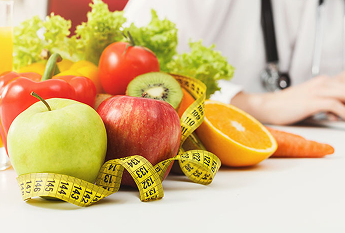
Diet plays an essential role in the management of IBS and must be adjusted individually, taking into account each person's symptoms and tolerance 4 .
The first step is to ensure that each patient receives personalized nutritional guidance focused on strategic and sustainable changes in their eating habits. 4 Here are some essential recommendations:
1. Balanced and regular meals – Choose fractional meals throughout the day, avoiding long periods of fasting or overeating;
2. Moderate consumption of certain foods – Reduce your intake of caffeine, alcohol, and spicy or fatty foods, which can aggravate symptoms 4 ;
3. A calm environment during meals – Eating in a calm space, without excessive distractions, helps improve digestion and communication between the intestine and the brain 4 ;
4. Adequate fiber intake – Soluble fiber, such as that found in oats and psyllium, can help reduce abdominal pain and improve IBS symptoms. Its introduction should be done gradually to avoid discomfort and monitored to avoid the risk of bloating. On the other hand, insoluble fiber, such as wheat bran, can worsen symptoms, especially in people with diarrhea or bloating .
5. Low-FODMAP diet – For those who continue to experience severe symptoms, it may be helpful to try a low-FODMAP diet, based on temporarily restricting fermentable carbohydrates. This approach has been shown to be effective in reducing abdominal pain, bloating, and intestinal discomfort. However, due to its complexity, it should be monitored by a nutritionist, to prevent nutritional deficiencies and ensure a personalized plan and careful reintroduction of foods.
6. Gluten: To eliminate or not? – Gluten exclusion should only be considered in cases of proven non-celiac sensitivity or in the presence of other specific indicators. For most people with IBS, there is no evidence that eliminating gluten brings significant benefits.
Dietary supplementation for IBS
Some supplements can be important allies in managing Irritable Bowel Syndrome, helping to restore balance to the digestive system and reduce symptoms:
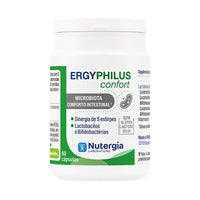
Probiotics – Help rebalance the intestinal microbiota , strengthen the intestinal barrier and reduce inflammation 5 .
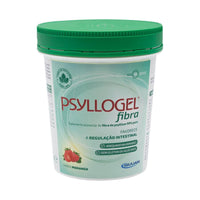
Psyllium Husk - A well-tolerated soluble fiber, it regulates intestinal transit and promotes mucosal health 5 .
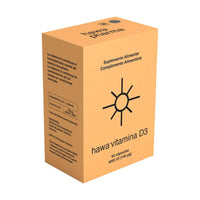
Vitamin D - May improve gastrointestinal symptoms, strengthening intestinal integrity, reducing inflammatory markers and benefiting psychological well-being 5 .
Glutamine - It has regenerative properties of the intestinal mucosa, anti-inflammatory and immunomodulatory properties 6 , especially when combined with strategies such as a low FODMAP diet 7 .
When combined in a personalized way, these supplements allow for a more comprehensive and effective approach—focused not only on symptom relief but also on restoring balance and intestinal health.
Multidisciplinary approach
In managing IBS, the most effective approach doesn't involve isolated solutions, but rather an integrated approach. Studies show that the best results arise when medicine is combined with nutrition, psychology, and, whenever necessary, physical therapy—all tailored to each person's specific needs.
Strategies such as a low-FODMAP diet, gut-focused psychotherapy, and cognitive-behavioral approaches have a significant clinical impact when applied in a personalized manner. 9 The science is clear: this multidisciplinary approach not only reduces symptoms but also improves psychological well-being and quality of life in a more lasting and cost-effective way.
The key is to treat the person, not just the gut. If you have Irritable Bowel Syndrome and don't know where to start, schedule your Functional Nutrition Consultation at Bioself and take the first step toward restoring your health and well-being!
Read More Bioself Content
Did you enjoy this article? Read other content we've prepared for you on the Bioself blog ! There, you'll find recipes to try at home and information on health and well-being. Enjoy.
Referências
Aviso legal
This article is not intended to diagnose, treat, or replace medical advice. Its content is for informational purposes only. Consult a doctor or healthcare professional regarding any medical diagnosis or treatment options related to your health. The claims made about specific products in this article are not approved to diagnose, treat, cure, or prevent disease.