

Digestive health and gut microbiota play a central role in our well-being, and prebiotics are emerging as one of their key allies.
Present in many foods in our daily lives, prebiotics are not digested by the body, but rather fermented by beneficial bacteria in the intestine, promoting a more balanced and resilient intestinal ecosystem.
What are prebiotics?
Simply put, prebiotics are substrates that our bodies cannot digest, but are selectively utilized by our gut bacteria, providing health benefits. 1 They act primarily in the colon, where they stimulate the growth and activity of beneficial bacteria, such as Bifidobacterium and Lactobacillus, helping to maintain the balance of the gut microbiota. 1
It's important to remember that while all prebiotics are dietary fibers, not all fibers have prebiotic properties. 2 We must also consider the difference between probiotics and probiotics: while probiotics are living microorganisms, prebiotics are the "food" these bacteria need to thrive.
What are the main prebiotics?
There are several types of prebiotics, each with its own characteristics and benefits—and somewhat complex names. Some of the most popular prebiotics are inulin, FOS (fructooligosaccharides), and GOS (galactooligosaccharides), but there are also other compounds with prebiotic effects, such as resistant starch, pectins, beta-glucans, and polyphenols . Despite their unfamiliar names, these components are naturally present in many everyday foods.
Some dietary sources of prebiotics include:
-
Fructooligosaccharides (FOS) : garlic, onion, leek, asparagus, artichoke, banana (especially green), whole wheat and honey;
-
Inulin : chicory root (the richest source), artichoke, asparagus, onion and garlic, leek and banana;
-
Galactooligosaccharides (GOS) : milk derivatives (in small quantities);
-
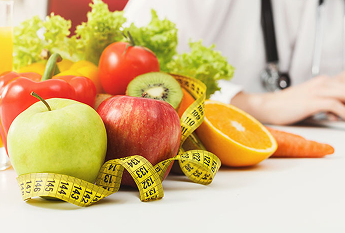
Resistant starch : green banana, potatoes and brown rice (cooked and cooled), legumes (beans, chickpeas, lentils) and raw oats;
-
Pectins (soluble fibers present in the cell wall of fruits) : apples with skin, citrus fruits (especially the white part), pears and quinces;
-
Beta-glucans : oats, algae, mushrooms, yeast and barley;
-
Xylo-oligosaccharides : fruits, vegetables, milk, honey and bamboo shoots;
- Polyphenols with prebiotic effect : green tea, cocoa and dark chocolate (>70%), red fruits (such as blueberries and raspberries), grapes, red wine, nuts and seeds.
In addition to consuming foods rich in prebiotics, supplementation can be an effective option in specific contexts or clinical needs – always under the supervision of a qualified healthcare professional.
What are the health benefits of prebiotics?
1. They contribute to weight control and metabolic health
Several studies show that feeding the gut microbiota with prebiotics can help reduce body fat, especially in people who are overweight or obese . This is because the fermentation of prebiotics in the gut produces short-chain fatty acids, such as butyrate, which have anti-inflammatory effects and help regulate metabolism. Therefore, including prebiotics in the diet may be a useful strategy for weight management and improving markers such as inflammation and fat accumulation . Prebiotics are also associated with a reduction in systemic inflammation .
2. Positive impact on mental health
The gut is a digestive organ, but it's also known as a neurological organ—in constant dialogue with the brain through the so-called gut-brain axis. The gut microbiota plays a fundamental role in this connection, influencing the production of substances like serotonin and GABA, which regulate mood, sleep, and how we deal with stress. A growing number of studies show that prebiotics can help reduce symptoms of anxiety and depression, promoting emotional well-being naturally through biological and neurochemical pathways. 6 When combined with a balanced diet, they can be an excellent ally in improving mental health. 7
3. Strengthen immunity and reduce intestinal inflammation
Chronic inflammation is at the root of many diseases—from metabolic problems like diabetes to autoimmune and intestinal conditions. Maintaining a balanced gut microbiota helps protect the intestines, acting as a natural barrier against toxins and microorganisms that can overactivate the immune system. Prebiotic supplementation contributes to this balance by feeding beneficial bacteria, which produce compounds with anti-inflammatory action. This effect may have therapeutic implications not only for gut health but also for the prevention of metabolic, neurodegenerative, and autoimmune diseases.
An integrative and preventive approach to Nutrition
The potential of prebiotics goes far beyond digestion—they influence the body as a whole. By nourishing the gut microbiota, we're promoting microorganisms and metabolites that actively participate in immunity, hormone production, emotional balance, and the regulation of systemic inflammation.
Functional Nutrition, which views the body as an interconnected network, reinforces the importance of these compounds in the prevention and control of chronic diseases, promoting a more harmonious and sustainable state of health.
Taking care of your gut means taking care of your entire body, and prebiotics are one of the most natural and safe ways to do this.
Remember: personalized nutritional monitoring is essential for achieving health and longevity. Schedule your Functional Nutrition Consultation with Bioself now.
Learn more about health with Bioself
If this article was helpful, explore other articles on our blog and learn tips and advice for a stronger immune system , better sleep routines , and much, much more!
Explore our health and recipe content and subscribe to our newsletter to receive updates directly to your email.
Referências
Aviso legal
This article is not intended to diagnose, treat, or replace medical advice. Its content is for informational purposes only. Consult a doctor or healthcare professional regarding any medical diagnosis or treatment options related to your health. The claims made about specific products in this article are not approved to diagnose, treat, cure, or prevent disease.