

Protein is an indispensable macronutrient for the human body: it plays a crucial role in building and repairing tissues, producing enzymes and hormones, and maintaining a healthy immune system. Traditionally, we think of meat and animal products as the best sources of protein. There are, in fact, differences between animal and plant-based protein, but a plant- based diet can also provide all the protein you need. If you're vegetarian, vegan, or simply want to reduce your consumption of animal products , I 'll help you explore the main sources of plant-based protein , including supplementation if necessary, to meet all your nutritional needs.
First, it is essential to understand that each of us is unique and has specific nutritional needs, so to know what doses you should consume daily, you must have personalized nutritional monitoring.
1. Legumes
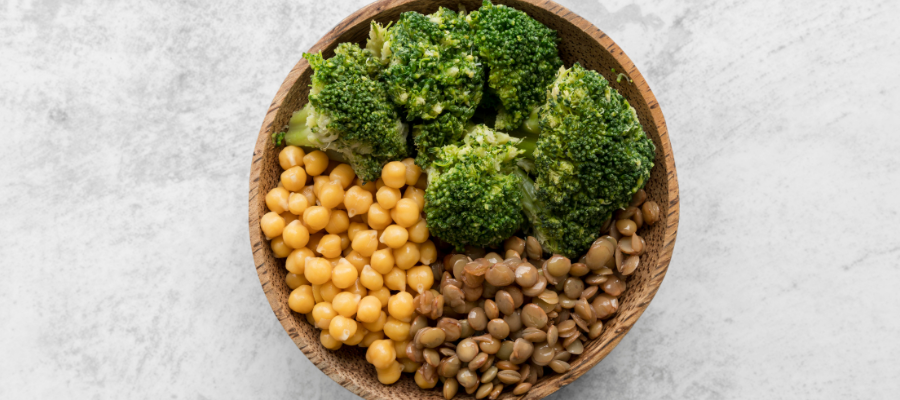
Legumes—such as beans, chickpeas, lentils , soybeans , and peas—are the best-known sources of plant-based protein. One cup of cooked lentils, for example, contains 18 grams of protein .
In addition to being a good source of protein, legumes are low in fat and rich in fiber, vitamins and minerals, such as iron, zinc and B vitamins , and have a low glycemic index , which provides you with energy gradually and sustainably 3 .
There are countless ways to include legumes in your diet: from traditional Portuguese options, such as rice and beans or a chickpea salad , to options from global cuisine – a lentil curry or chickpea hummus, for example.
2. Pseudocereals
Pseudograins, such as amaranth, buckwheat, and quinoa, are dicotyledonous plants often referred to as "false grains. " 4 These foods are rich in high-quality protein, as well as containing unsaturated fatty acids, fiber, vitamins, and essential minerals . 4 They also have an excellent composition of essential amino acids, with high bioavailability. One of their greatest advantages is that they are gluten-free, making them an excellent option for people with celiac disease or gluten sensitivity . 4 This makes pseudograins a healthy and versatile alternative ! For example, half a cup of raw quinoa (approximately 100g) contains about 14g of protein . 5 You can use them in salads, soups, or to add texture to your veggie burgers.
3. Tofu, Tempeh and Seitan
These three foods derived from soybeans —tofu and tempeh—have different origins and flavors, but they are all sources of plant-based protein and share the commonality of being used as meat substitutes in vegan and vegetarian diets. This is largely due to their protein content.
Tofu, perhaps the most popular, is made from curdled soy milk and contains about 17 grams of protein per 100 grams. 5 Tempeh is also a soy product, but it is made from fermented soybeans and offers 18 grams of protein per 100 grams. 5 The fermentation involved in tempeh production also produces probiotics, so it is included in foods to help regulate the intestines .
Seitan, a wheat gluten-based option, is a particularly concentrated source of vegetable protein: around 25 grams of protein per 100 grams 5 .
Tofu, tempeh, and seitan are versatile ingredients, especially popular in Asian cuisine, but you can also use them to replace meat in more traditional dishes—for example, some seitan or tofu à lagareiro!
4. Seeds and Oilseeds
Chia, flax, hemp, and pumpkin seeds, as well as walnuts or almonds, are rich in fiber, protein, essential fatty acids (such as omega-3), vitamins (especially vitamin E), and minerals (such as magnesium, iron, and zinc ). 6 A good example is hemp seeds; three tablespoons contain the equivalent of 10 grams of protein. 5
Seeds and nuts are also great snacks to take to class or work and nibble on throughout the day, but there are many other ways to consume them: in salads, with yogurt, smoothies, or as butter (peanut butter, almond butter, cashew butter, etc.).
5. Whole Grains
Whole grains include brown rice, oats, barley, and buckwheat, and contain primarily carbohydrates and fiber , but are also a good source of protein , averaging 7-15g of protein per 100g. They are rich in magnesium, phosphorus , and B vitamins.
However, they are not complete protein sources – they must be combined with other plant sources, such as legumes, to ensure all the essential amino acids.
6. Green Leafy Vegetables
Although not as protein-dense, green leafy vegetables—like spinach, kale, and broccoli—contain a surprising amount of protein for their extremely low calorie content. Per 100 grams, they contain, on average, the equivalent of 3 grams of protein ! In addition to being very rich in vitamin C, fiber and antioxidants, for example.
You can include these vegetables in salads, soups, and smoothies, or simply as a side dish with a main dish to boost their nutritional potential!
7. Plant Protein Supplements
There are various reasons to opt for protein supplementation, whether it's for the demands of sports, to supplement your diet, or perhaps simply for convenience. Within supplements, there are several plant-based protein options:
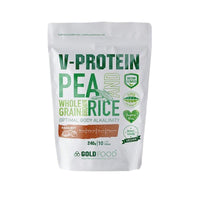
- Brown rice protein , which, while not a complete protein, can be combined with other plant-based proteins to obtain a complete amino acid profile . Additionally, rice protein is hypoallergenic, making it a good alternative for people with allergies or intolerances to animal or soy proteins .
- Hemp protein , a complete protein source , containing all essential amino acids, is also rich in omega-3 and omega-6 8 .
- Soy protein , one of the most complete plant proteins, containing all essential amino acids . Additionally, soy contains isoflavones, which may offer additional health benefits, such as protection against cardiovascular disease and relief from menopausal symptoms. 9
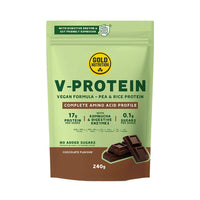
Pea protein is an excellent option, especially for people with soy or gluten allergies. It's effective in promoting satiety and muscle growth, and is rich in arginine, an important amino acid for cardiovascular health .
Supplements are a quick and convenient way to get protein, whether in the form of bars, shakes, or pancakes, and you can adapt them to your individual needs. Supplementation, however, is not a substitute for a balanced diet, and excess protein can also lead to health problems. If you have questions about your ideal protein intake, consult a healthcare professional.
As we've seen, there are several plant-based protein sources that are excellent options for vegans, vegetarians, and flexitarians! Many of these foods, in addition to being protein-dense, are also rich in fiber, vitamins, and minerals, and are low in calories, ensuring healthy nutrition and integrating any complete diet.
Discover New Articles About Health and Wellness
Was this article helpful? At Bioself, we continue to produce content about well-being and nutrition to help you achieve better health. Visit our blog to read all the content we've prepared for you!
Referências
Aviso legal
This article is not intended to diagnose, treat, or replace medical advice. Its content is for informational purposes only. Consult a doctor or healthcare professional regarding any medical diagnosis or treatment options related to your health. The claims made about specific products in this article are not approved to diagnose, treat, cure, or prevent disease.