

Calcium is essential for the human body, but many people do not get the recommended amounts of this mineral through their diet.
To prevent health problems in the medium and long term, we'll introduce you to the foods richest in calcium and also address the importance of an underappreciated link: between this mineral and vitamin D.
What is the Importance of Calcium?
Calcium It is the most abundant mineral in the human body and about 99% is stored in bones and teeth, the remaining amount circulates in the blood and tissues 1 .
Calcium plays vital roles in your body 's balance , including ensuring:
- Bone and dental health : contributes to the formation, density and strengthening of bones and teeth;
- Muscle contraction : is necessary so that muscles, including the heart, can contract and relax correctly;
- Blood clotting : calcium is also involved in the healing process, helping the blood to clot;
- Nerve transmission : facilitates communication between nerve cells, which is essential for the functioning of the nervous system.
Without an adequate supply of calcium, these functions are compromised, increasing the risk of diseases. over time 3 .
For your reference, the recommended daily amounts of calcium for different groups and age ranges are as follows, according to the European Food Safety Authority 4 :
- 7-11 months: 280 mg;
- 1-3 years: 390 - 450 mg;
- 4-10 years: 680 - 800 mg;
- 11-17 years: 960 - 1150 mg;
- 18-24 years: 860 - 1000 mg;
- > 25 years: 750 - 950 mg;
- Pregnant women between 18 and 24 years old: 860 - 1000 mg;
- Pregnant women over 25 years: 750 - 950 mg.
What Are the Symptoms of Calcium Deficiency?
When calcium intake is insufficient, the body removes the mineral from bone reserves and this removal, in addition to weakening the bones, increases vulnerability to other health problems 2 .
The most common symptoms of calcium deficiency include 2 :
- Persistent fatigue;
- Muscle cramps;
- Brittle nails and brittle hair;
- Tooth sensitivity or increased susceptibility to cavities;
- Numbness or tingling in the extremities of the body.
In the long term, the following risks stand out :
- Osteoporosis : loss of bone density, which in turn increases the risk of fractures.
- Dental problems : weakening of teeth and increased wear.
- Changes in heart rhythm : more common in cases of severe deficit.
Calcium and Vitamin D: What is the Relationship?
For the body to absorb calcium effectively, the presence of vitamin D is essential for three reasons 5 :
- Stimulates intestinal calcium absorption;
- It regulates the levels of this mineral in the blood;
- Supports bone mineralization, making bones stronger.
Now, a balanced diet should combine calcium-rich foods with adequate sources of vitamin D, namely:
- Moderate sun exposure;
- Foods such as fatty fish, eggs and liver.
This way, calcium absorption is optimized and long-term bone health is maintained.
Calcium-Rich Foods
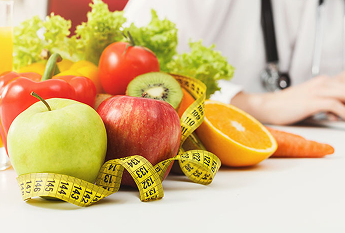
To prevent calcium deficiencies, it's important to regularly include foods naturally rich in this mineral in your diet. 6 We'll share the main sources of calcium according to different food groups.
Dairy products and derivatives
- Parmesan cheese: ideal in small quantities for sprinkling on dishes;
- Emmental cheese: solid source of calcium and protein;
- Flemish cheese and light Flemish cheese: these are versatile options for daily consumption;
- Plain skim yogurt: easy to include in your breakfast or snack;
- Semi-skimmed cow's milk: it is the base of many recipes and a direct source of calcium.
Fish and seafood
- Canned sardines with olive oil: rich in calcium and essential fatty acids;
- Grilled sea bass: a lean fish with a significant supply of calcium and protein.
Vegetables and legumes
- Cooked kale: green leafy vegetable with a good calcium and fiber content.
Cereals and bread
- Calcium-enriched wheat and rice flakes: a practical way to boost your daily intake;
- Whole grain rye bread: provides calcium and other essential minerals.
Including a variety of these foods throughout the day helps you reach your recommended calcium intake, ensuring continued support for your bones, teeth, and other vital body functions.
You should also avoid excess consumption of certain foods, particularly coffee and soft drinks, as these products can reduce calcium absorption.
Calcium Supplementation: When Is It Necessary?
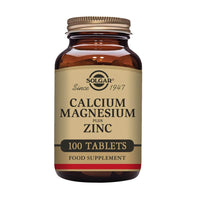
In most cases, a balanced diet is sufficient to ensure adequate calcium intake. However, there are situations where supplementation may be recommended, always under the guidance of a doctor or nutritionist:
- Women after menopause, due to the increased risk of osteoporosis;
- Elderly people, whose calcium absorption tends to decrease;
- People with lactose intolerance or who consume few dairy products;
- Patients with specific conditions, such as osteoporosis or proven disabilities.
In this context, it may also be useful for you to know about supplements for bones and joints , which are the main structures affected by a lack of calcium.
Remember that supplements should not replace food, but rather serve as support when food alone does not cover daily needs.
Conclusion
Calcium is essential for bone and dental health, as well as for several vital bodily functions. In fact, a deficiency of this mineral can increase the risk of diseases like osteoporosis in the long term.
Ensuring adequate intake involves diversifying your diet with readily available sources of calcium, such as dairy products, fish, green leafy vegetables, cereals, and whole-grain breads.
At the same time, it is essential to ensure adequate levels of vitamin D, which is essential for effective calcium absorption.
Did you like this article? Share it with your friends and family and discover more health and wellness content on the Bioself blog .
Referências
Aviso legal
This article is not intended to diagnose, treat, or replace medical advice. Its content is for informational purposes only. Consult a doctor or healthcare professional regarding any medical diagnosis or treatment options related to your health. The claims made about specific products in this article are not approved to diagnose, treat, cure, or prevent disease.