

Protein is one of the most important nutrients for the functioning of the human body, playing a crucial role in the construction and repair of tissues (muscles, nerves and bones), in the production of enzymes and hormones, and in the general maintenance of our health 1, 2 .
Proteins are composed of amino acids, essential for various biological functions. There are 20 different amino acids that can be combined to form proteins, and 9 of them are essential—that is, the body cannot produce them and must be obtained from food. 3 But in which foods can you find protein?
Plant vs. Animal Protein Sources
There are two sources of protein: animal or plant. Animal protein sources include meat, fish, eggs, milk, and dairy products, while the most common plant-based protein sources are legumes and whole grains—although nuts, seeds, and some vegetables also have good protein content.
As a rule, we view animal-based proteins as the most complete, and there's good reason for this: it's animal protein that contains all the essential amino acids, in the right proportions to meet the human body's needs. 2 Furthermore, as we'll see, these foods also provide other important vitamins and minerals, such as heme iron, zinc, omega-3 (found in fish), and vitamin B12 (which always requires supplementation for those following a vegan or vegetarian diet).
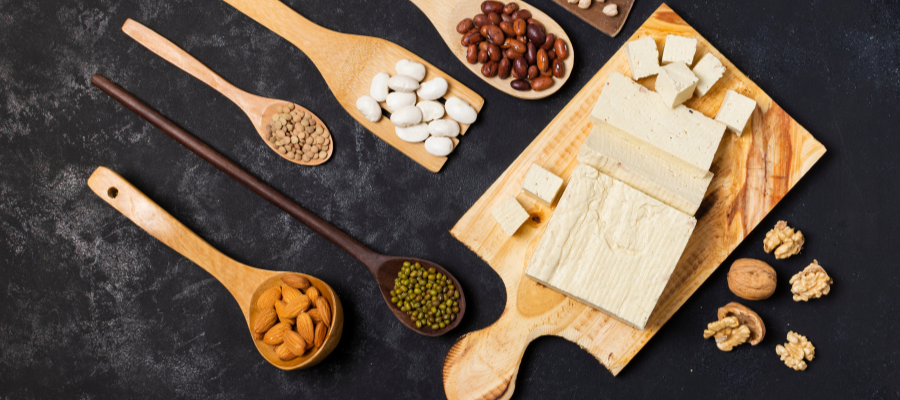
You'll find protein in plant-based sources like beans, lentils, chickpeas, soybeans, nuts, seeds, quinoa, and other whole grains. However, it's true that these plant-based proteins are incomplete—they lack one or more essential amino acids, or don't contain them in sufficient amounts. For example, cereals like rice and wheat are deficient in an amino acid called lysine, while legumes like beans are deficient in methionine. The solution, of course, is to combine different plant-based sources: a plate of rice and beans allows you to get a complete protein, for example .
Differences between Animal and Vegetable Protein
As we've seen, there are differences in the quality of animal protein and plant protein that make it easier for the human body to obtain the nutrients it needs from a single animal protein source. Plant protein, on the other hand, requires you to combine different foods to prevent nutritional deficiencies. However, the differences between the two types of protein go beyond their amino acid composition:
Digestion and Absorption
Animal proteins have a structure more similar to the proteins found in the human body, and therefore their digestion and absorption are also easier. 2 The proportion of protein absorbed and synthesized by our body is measured by the biological value (BV): proteins such as eggs and milk have a very high BV, while vegetable proteins have a lower BV – with some exceptions, such as soy and quinoa.
Nutritional composition
In addition to providing complete proteins, animal protein sources are rich in equally important nutrients: meat is a good source of heme iron (which our bodies absorb more easily), and fish provides us with omega-3s, both important for heart and brain health. Animal foods are also among the few dietary sources of vitamin B12, essential for red blood cell production and nervous system function. On the other hand, plant-based protein sources contain fiber, antioxidants, vitamins, and minerals that are lacking in animal proteins. Legumes and whole grains are especially rich in fiber, which aids digestion and promotes gut health.
Impact on health
Despite their protein benefits, diets richer in animal proteins—especially red meat—have been associated with an increased risk of cardiovascular disease, type 2 diabetes, and certain types of cancer. In contrast, well-structured vegetarian diets are richer in fiber and antioxidants, resulting in a lower risk of chronic diseases.
Impact on the environment
The environmental impact of animal protein production, especially beef, is significant. Raising livestock requires large amounts of water, feed, and land, and is a significant source of greenhouse gas emissions. Plant-based proteins are a more sustainable alternative, requiring fewer resources and having a much smaller carbon footprint.
Supplementation
People with different diets, from vegans to omnivores, opt for protein supplementation. While not essential, there are good reasons for this option, which is especially useful for athletes and physically active individuals with above-average protein intake needs, as well as for those with more restrictive diets .
It's important to note that our protein needs are relatively low. On average, 0.8 g of protein per kilogram of body weight is generally sufficient.
What are the reasons to consider supplementation?
Convenience: Supplementation is a quick and practical way to ensure adequate protein intake when you are unable to prepare a complete, protein-rich meal.
Distribution throughout the day: To maximize muscle protein synthesis, protein intake should be distributed throughout the day. Supplements can also help achieve this distribution more effectively, especially after physical training.
Absorption: Proteins present in supplements, such as whey supplements, are quickly absorbed, which makes them a good option to consume immediately after physical exercise, when your body needs immediate availability of amino acids.
Calorie and fat control: Some animal protein sources contain significant amounts of fat and calories, which is not ideal for those controlling their calorie intake. Protein supplements offer a high-protein, low-calorie alternative.
Variety of amino acids: A complete diet ensures all essential amino acids, but supplementation provides an even greater variety, allowing you to meet more specific needs by combining different forms of protein.
The most common protein supplements include:
- whey protein (from milk whey)
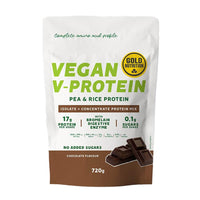
- vegetable proteins such as peas and rice
- casein
- soy protein
- hemp protein
Remember that supplementation is merely a complement to your diet and does not replace complete, balanced, and varied meals. It is always recommended to consult a nutritionist before starting supplementation to ensure that your protein intake is aligned with your needs and goals.
The starting point for your diet is always your individuality: your dietary goals, your health, and your ethical and environmental concerns. A balanced and healthy eating pattern can combine different protein sources, but even a vegan or vegetarian diet—although requiring some additional care—can ensure complete and adequate nutrition.
Was this article helpful? On the Bioself Blog , you'll find other content about nutrition and well-being. Explore our articles now and continue investing in your health!
Referências
Aviso legal
This article is not intended to diagnose, treat, or replace medical advice. Its content is for informational purposes only. Consult a doctor or healthcare professional regarding any medical diagnosis or treatment options related to your health. The claims made about specific products in this article are not approved to diagnose, treat, cure, or prevent disease.