


You've probably heard that consuming fats is harmful to our health. It's true that when you consume too much, your body feels the effects, but it's important not to make generalizations. In fact, there are fats that are essential for your body to function properly, and omega-3 is a prime example.
In this article, we'll explain exactly what omega-3 is and the six major benefits of this fatty acid for your body. You'll also learn about the best sources of omega-3 in food and supplements.
What is omega-3?
Chances are you've heard the term "omega-3." The first thing to remember is that we're talking about a true ally for your health. But what does this nutrient actually mean? Let's explain it in a simple way.
He thinks of omega-3 as a type of "healthy fat." Technically, it's an essential polyunsaturated fatty acid, which means our bodies can't produce it on their own [1] . In plain English, you need to get omega-3 through food or supplementation.
There are three main types of omega-3 that come from animal and plant sources 1 . In short, we refer to:
- ALA (alpha-linolenic acid): found only in plant sources;
- EPA (eicosapentaenoic acid) and DHA (docosahexaenoic acid): found in foods and supplements.
You'll learn exactly which foods (whether animal or plant-based) are richest in omega-3, but first, it's important to clarify: after all, why is this type of fat essential for your health?
What is omega-3 good for? The 6 biggest benefits
The functions of omega-3 in your body are vital, and consuming this type of fat is, in fact, associated with healthy aging. There are six major benefits associated with consuming this fatty acid in different aspects of your body's functioning [2] , which we summarize below.
1. Promotes cardiovascular health
It's simple: omega-3s are good for your heart. By keeping cholesterol and blood pressure at healthy levels, they prevent clogged arteries and thus reduce the risk of complications such as stroke or acute myocardial infarction [3] . Omega-3s can also help with weight control in people with a genetic predisposition to obesity, which also reduces the risk of cardiovascular disease.
2. Strengthens the immune system
Because it functions as an antioxidant, omega-3 reduces the formation of free radicals (molecules that damage cells) in the body and thus prevents the development of various diseases 2 . These antioxidant and anti-inflammatory capacities are important for modulating the immune system's response, since omega-3 fatty acids regulate some of the functions of the cells that are part of the immune response 2 ,
3. Preserves vision
Our retina has a high concentration of omega-3 (especially DHA), and for this reason, this fatty acid is essential for maintaining vision. 2 In the long term, omega-3 consumption prevents macular degeneration and plays a very important role in combating ocular inflammation.
4. Improves brain function and mental health
The benefits of omega-3 for brain health and cognition are also noticeable [4] . It plays a fundamental role in neurotransmission and neuroplasticity [2 ]. The antioxidant and anti-inflammatory properties of this fat play an important role again, as they prevent the onset of neurodegenerative diseases (such as Alzheimer's and Parkinson's) and improve memory. Foods and supplements with this type of fat are also a great natural option for helping to treat depression and anxiety, for example [4 ].
5. Controls diabetes
Omega-3 also helps prevent the onset of type 2 diabetes. By reducing insulin resistance, it helps control blood sugar levels and reduces the risk of diabetic complications. Omega-3 supplementation has been shown to promote substantial changes in the gut microbiota of individuals with diabetes and provide benefits .
6. Promotes cholesterol reduction
Omega-3s have been linked to lower levels of total cholesterol and LDL cholesterol, also known as "bad cholesterol. " This is partly attributed to omega-3s' ability to increase hepatic LDL receptor activity, facilitating the liver's removal of this cholesterol . Furthermore, it may contribute to increasing HDL cholesterol, or "good cholesterol."
Where can you find omega-3?
With so much to offer, omega-3s are just waiting to be found. Remember: your body doesn't produce this essential fatty acid, so you have to obtain it yourself. But fear not! There's a huge variety of foods and supplements where you can find this type of fat. You'll discover the best sources of omega-3s now.
In food
Incorporating omega-3s into your diet is the best way to obtain this fatty acid and enjoy all its health benefits. There are two main food categories where you can find this fat :
- Fish : In this group, the highlight is oily fish, such as tuna, salmon, mackerel, sardines, and herring, for example. Shellfish (shrimp, crab) are also a good source of omega-3.
- Nuts and seeds : walnuts, flaxseeds, and chia seeds are the best choices within this food category.
Omega-3 can also be found in oils extracted from these foods, such as flaxseed or chia oil, and in fish oils, including cod liver oil. You can also get it through algae consumption.
In supplementation
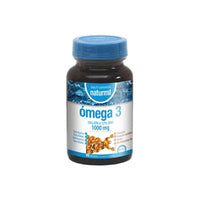
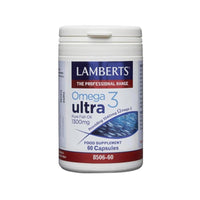
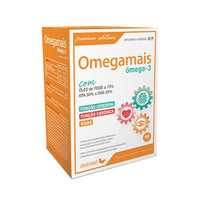
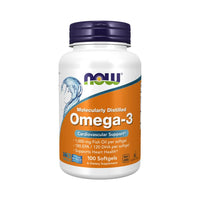
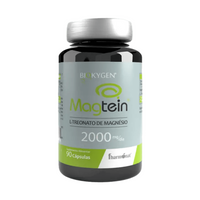
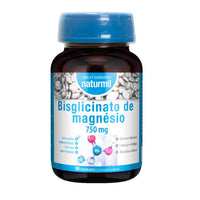
Supplementation is also a great way to ensure you're getting enough omega-3. Most supplements are derived from fish oil and are available in pharmacies, supermarkets, and health food stores, such as Bioself . These supplements are typically sold in capsule form , but be aware: you should only resort to this alternative—supplementation—with the recommendation of a doctor or nutritionist.
Start including omega-3s in your daily routine
The sources of omega-3 available to you are, as you can see, diverse—and delicious! Take advantage of this variety and start incorporating these fatty acids into your diet. The effects will be felt primarily in the long term, as your body develops with greater vitality.
Did you enjoy this article? Visit the Bioself blog to learn more about nutrition and other health and wellness topics.
Referências
Aviso legal
This article is not intended to diagnose, treat, or replace medical advice. Its content is for informational purposes only. Consult a doctor or healthcare professional regarding any medical diagnosis or treatment options related to your health. The claims made about specific products in this article are not approved to diagnose, treat, cure, or prevent disease.