










In a market overflowing with supplements, choosing the right multivitamin can be a challenge – especially for those seeking a functional, personalized approach truly aligned with their needs. More than just "taking supplements," it's important to understand the role of micronutrients in disease prevention, healthy aging, energy production, immunity, and metabolic balance.
Let's explore what truly distinguishes a good multivitamin and, based on the latest scientific research, define clear criteria for making a safe, effective, and informed choice.
Why might a multivitamin be necessary?
Although a balanced diet is the foundation of health, many people are unable to meet their daily micronutrient requirements through food alone. This is especially common in the elderly, people with chronic diseases, those on restrictive diets, those with intestinal malabsorption problems, or during periods of increased physiological demand.<sup> 1,5</sup> .
Several studies link deficiencies in B vitamins, vitamin D, vitamin E, magnesium, zinc, iron, and selenium to cognitive decline, reduced energy, impaired immune function, and increased metabolic risk – even in populations with access to a varied diet 3. So-called subclinical deficiencies (low levels that do not cause immediate symptoms) are very common and easily go unnoticed, potentially worsening existing health conditions and compromising the body's ability to cope with stress, illness, or aging 5 .
The importance of a quality multivitamin.
Not all multivitamins are the same: the chemical form of the micronutrients, the doses, the presence of additives, and the bioavailability (that is, the body's ability to absorb and use vitamins and minerals) make all the difference.
Did you know that many micronutrients are essential for brain, cardiovascular, and metabolic health? Vitamins B, C, D, and E, and minerals such as zinc, magnesium, iron, chromium, copper, and selenium participate directly in energy production in mitochondria (the "power plants" of cells), in antioxidant defense, in hormonal balance, and in the transmission of signals between neurons 3 .
A study showed how daily intake of a multivitamin reduced “cognitive age” by about 2 years in older adults, with improvements in memory and overall function 3. In the elderly, multivitamins can also help correct frequent deficiencies associated with aging, polypharmacy, and reduced gastrointestinal absorption 1 .
There are also examples of prevention of specific diseases: the daily intake of 0.4 mg of folic acid (usually found in multivitamins) significantly reduces the risk of neural tube defects in babies, making it a universal recommendation for women of childbearing age 2 .
Criteria for choosing the right multivitamin.
Active and bioavailable forms of multivitamins
The chemical form of micronutrients directly influences absorption and, therefore, their clinical effectiveness . <sup>5</sup> You should give preference to:
- Methylated forms (such as methylfolate and methylcobalamin), active versions of B vitamins, which the body can use more quickly without needing to transform them.
- Chelated or organic minerals, which are linked to an amino acid (such as bisglycinate) or another organic compound (citrate, malate, picolinate), facilitate absorption by the intestine.
- Liposomal forms, in which nutrients are encapsulated in a structure similar to the cell membrane (a liposome), increasing their absorption and bioavailability.
Doses aligned with actual needs.
A good multivitamin should provide effective and safe doses, following scientific recommendations. It is important to avoid:
- Underdosing, which does not benefit the body - excess vitamins, especially in the case of fat-soluble vitamins (A, D, E and K), which accumulate in the body and can become toxic .
Adaptation to the goal and stage of life.
Nutritional needs vary according to age, sex, diet, and health conditions. For example:
- Women of childbearing age: need multivitamins with good doses of folate, iron , and B vitamins, which are important for fertility and preventing birth defects in the baby 2 ;
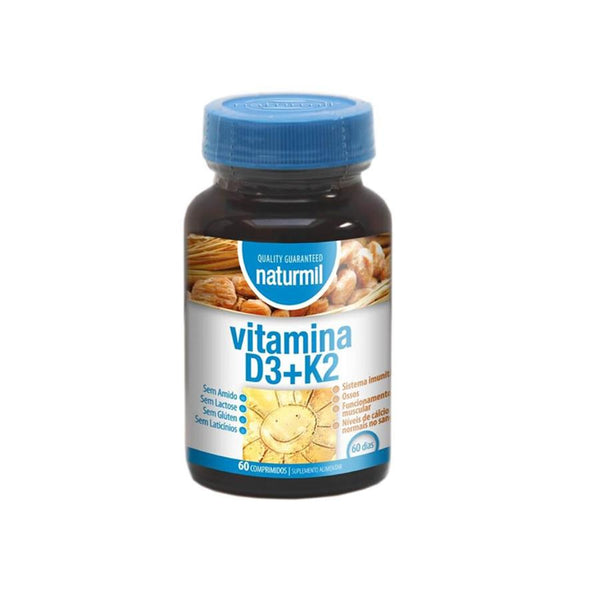
- Older adults: should favor micronutrients such as vitamin D , vitamin K2, B12, zinc and selenium, which are essential for cognition, immunity and bone health 1,3 ;
- Vegetarians or vegans: need multivitamins that include vitamin B12, iron, zinc, and iodine, which may be less abundant in diets without animal products;
- People with intestinal malabsorption: should opt for more bioavailable forms of nutrients, which the body can absorb even with digestive difficulties 5 ;
Multivitamin: what to avoid?
- Megadoses without clinical justification;
- Poorly absorbable forms (such as magnesium oxide or zinc oxide);
- Cheap products with irrelevant doses;
- Mixtures of many extracts without solid scientific evidence;
- Artificial colors, titanium dioxide, added sugar or artificial flavors, which may impair tolerance and absorption 5 .
Multivitamin or personalized approach?
A quality multivitamin can be an excellent foundational support, but it is not a replacement for:
- Individual clinical assessment, with a healthcare professional, to understand specific needs;
- Clinical analyses to identify nutritional deficiencies;
- Personalized nutritional intervention;
- More specific and individualized supplementation, when necessary.
The scientific literature is clear: multivitamins should complement, not replace, a balanced diet or an individualized clinical plan 1,5 .
Conclusion
Choosing an effective multivitamin goes far beyond grabbing the first bottle off the shelf. The decision should be based on scientific evidence, your individual needs, the form and quality of the nutrients, and their bioavailability.
When these criteria are met, a multivitamin can:
- to improve energy and vitality;
- to support the immune system;
- to optimize cognitive function;
- reduce oxidative stress;
- to prevent or resolve nutritional deficiencies;
- to contribute to healthy aging.
All of this follows the central principle of functional nutrition: addressing the cause, not just the symptoms.
Access other articles on the Bioself blog . We're discussing topics related to healthy eating and overall well-being. As a bonus, you'll also find some delicious recipes!
References
Disclaimer
This article is not intended to diagnose, treat, or replace medical advice, and its content is for informational purposes only. Consult a doctor or healthcare professional about any medical diagnosis related to your health or any potential treatment options. The claims made about specific products in this article have not been approved to diagnose, treat, cure, or prevent disease.