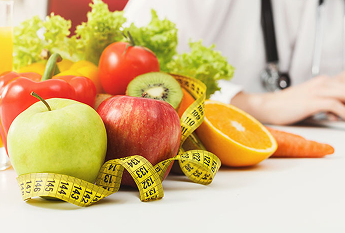


The liver is our body's primary biotransformation plant, essential for processing nutrients, synthesizing vital substances, and neutralizing toxins. Despite the popularity of so-called "detox diets," science shows us that there is a much more effective and sustainable path: adopting a balanced lifestyle.
In this article, I explain how to naturally support liver function in a simple and scientifically based way, without resorting to extreme measures or temporary solutions — and in which situations supplementation may be necessary.
What does the liver actually do?
The liver is a multifunctional organ, responsible for over 500 vital processes. To perform these tasks effectively, it depends on a constant supply of nutrients, enzymes, and antioxidants from a balanced diet . Its most important functions include:
-
Biotransformation of toxins and drugs.
-
Synthesize fundamental proteins, such as albumin and coagulation factors;
-
Regulate the metabolism of carbohydrates, fats and proteins;
-
Store vitamins and minerals;
-
Produce bile, essential for the digestion of fats;
-
Regulate blood sugar levels.
The myth of "detox" diets: what does science say?
The idea of a "liver cleanse"—a supposed detoxification of the liver through very restrictive diets—has no scientific basis. Not only are there no robust clinical trials proving their effectiveness, but these diets can be nutrient-poor and even cause nutritional deficiencies . 2
In fact, the body already has highly efficient endogenous detoxification systems, led by the liver, kidneys, lungs, and intestines.
Factors that overload the liver
To keep your liver healthy, the first step is to reduce or eliminate the factors that are most harmful to it. Science identifies some clear offenders that you should try to avoid or control:
- Western diet: characterized by excessive consumption of ultra-processed foods, rich in saturated fats and fructose 3 ;
- Alcohol: high consumption of alcoholic beverages is one of the most common causes of liver disease 4 ;
- Sedentary lifestyle and overweight: lack of physical activity and accumulation of visceral fat are directly associated with Non-Alcoholic Fatty Liver Disease (NAFLD) 5 ;
- Exposure to toxins: certain drugs and toxins present in the environment can cause significant liver damage 6 .
Functional Nutrition: the right fuel for your liver
Functional Nutrition prioritizes the nutrients the liver needs to carry out the biotransformation process, in which liver enzymes transform and eliminate toxins or metabolize certain medications. In practice, this means including foods in your daily diet that provide:
Sulfur amino acids (methionine, cysteine) : contribute to the production of glutathione, one of the liver's most powerful antioxidants . 7 The best sources include eggs, garlic, onions, broccoli, and legumes.
Choline : helps transport fat out of the liver, preventing excessive accumulation, also called steatosis 8 . It is found in soybeans, meat, fish and egg yolk;
Polyphenols and antioxidants : present in green tea, extra virgin olive oil, red fruits, citrus fruits and leafy vegetables, help reduce so-called oxidative stress, a process of cellular wear and tear 9 ;
Cruciferous vegetable compounds (sulforaphane and glucosinolates) : present in broccoli (especially sprouts), cauliflower and Brussels sprouts, they help activate the liver's biotransformation pathways 10 ;
Artichoke Compounds and Fiber : Artichokes are rich in prebiotic fibers, which feed the beneficial bacteria in the gut. They also contain cynarin, a compound that stimulates bile production, essential for fat digestion and toxin elimination . Other sources of fiber include oats, flaxseeds, chicory, and legumes.
Curcumin : active substance in turmeric, with anti-inflammatory properties 12 . Its natural source, turmeric, should be consumed with black pepper to increase absorption.
Practical Strategies for a Healthy Liver
-
It adopts the Mediterranean dietary pattern: rich in vegetables, fruits, olive oil, whole grains and fish 13 ;
-
Moderate (or eliminate) alcohol: one of the most effective measures to protect the liver 14 ;
-
Prioritize physical activity: between 150 and 200 minutes of moderate exercise per week helps to significantly reduce liver fat 15 ;
-
Takes care of your intestines: intestinal health directly reflects liver health 16 ;
-
Drink enough water: Hydration is essential to eliminate metabolic waste. [Discover some tips for increasing hydration: https://bioself.pt/blogs/blog-page/beber-agua-dias-frios ]
To learn more strategies to support liver function, see our article on metabolic detoxification .
Integrated management and the role of supplements
Liver disease is often associated with metabolic syndrome, obesity, and type 2 diabetes.
Although diet is always the starting point, some situations may benefit from specific supplements, always under the guidance of a specialized health professional:
- Silymarin (milk thistle): one of the most studied supplements, acts as a powerful antioxidant and helps reduce inflammation and fibrosis in liver diseases 17 ;
- Artichoke extract: Scientific studies show that it can help improve liver enzymes, reduce liver fat accumulation, and lower cholesterol levels in people with non-alcoholic fatty liver disease (NAFLD) 18 ;
- N-acetylcysteine (NAC): helps to strengthen antioxidant defenses and reduce oxidative stress in the liver 19 ;
- Omega-3 fatty acids (EPA and DHA ): reduce the accumulation of fat in the liver and improve triglyceride levels 20 .
It is essential to remember that supplementation does not replace a healthy lifestyle and should always be personalized and supervised by a health professional.
True liver detoxification doesn't come from a bottle of pills or a restrictive detox diet. The secret lies in consistency: a healthy lifestyle, with a varied and nutritious diet rich in natural foods, regular exercise, moderate (or no) alcohol consumption, and metabolic balance.
It's your everyday choices that are the best way to protect your liver, ensure energy, and promote longevity.
Promote your health with Bioself
If you enjoyed this article, explore our blog for more educational content on topics related to nutrition, supplementation, and well-being. You'll also find some delicious recipes.
You can also receive all content directly to your inbox by subscribing to our newsletter. When you do, you'll get access to a surprise: an ebook on dietary supplements!
Referências
Aviso legal
This article is not intended to diagnose, treat, or replace medical advice. Its content is for informational purposes only. Consult a doctor or healthcare professional regarding any medical diagnosis or treatment options related to your health. The claims made about specific products in this article are not approved to diagnose, treat, cure, or prevent disease.