

In recent years, science has revealed a direct link between our diet and a silent enemy of health: low-grade chronic inflammation. Unlike acute inflammation, which is a protective and temporary response of the body to injury or infection, chronic inflammation persists and contributes to the development of several serious chronic diseases .
The good news? What we put on our plates can be a powerful tool in combating this threat. Let's discover how smart food choices, combined with personalized Functional Nutrition support , can make all the difference.
What is chronic low-grade inflammation and why should we care?
Low-grade chronic inflammation is characterized by a silent, persistent, and systemic activation of the immune system, without an obvious trigger such as an acute infection or injury . He envisions it as a slow, invisible fire within the body that, over time , damages cells and tissues. This condition is closely linked to numerous chronic diseases, such as type 2 diabetes , osteoporosis, and several types of cancer .
Identifying foods and eating patterns with anti-inflammatory potential—and avoiding those that intensify inflammation—is therefore a public health priority. What we eat can either extinguish the inflammatory "fire" or fuel it.
The concept of anti-inflammatory eating
An anti-inflammatory diet is based on the regular inclusion of foods with proven anti-inflammatory effects 2,3 and the reduction of pro-inflammatory foods. This seems self-evident, but to achieve this, we need to be able to measure this impact. This is why researchers developed the Dietary Inflammatory Index (DII)—a tool that quantifies the impact of diet on markers of inflammation 4,5 .
Key foods to combat inflammation
Fruits and vegetables
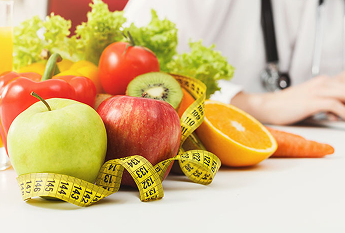
Colorful, vibrant and full of life — these are the fruits and vegetables that help us prevent inflammation 3 .
-
Red fruits such as blueberries, strawberries and raspberries are rich in anthocyanins, antioxidant compounds with strong anti-inflammatory power;
-
Dark green leafy vegetables like spinach, kale, and broccoli offer a nutritious cocktail of vitamins A, C, K, and folate, essential for a healthy immune system.
A tip to keep in mind when preparing meals: each color of vegetables represents a unique type of phytochemical. The more colorful the dish, the greater the diversity of its defenses.
Fatty fish
Salmon, mackerel, sardines, and herring are excellent sources of EPA and DHA—omega-3 fatty acids with recognized anti-inflammatory properties.¹ , ⁷ These nutrients help rebalance the body's inflammatory response, combating excess omega-6 found in more unbalanced diets.
Extra virgin olive oil
More than just a seasoning, extra virgin olive oil is a source of oleic acid and phenolic compounds such as oleocanthal, with properties comparable to those of anti-inflammatories like ibuprofen . It should be consumed raw to maximize these therapeutic effects.
Nuts and seeds
Almonds, walnuts, flaxseeds, and chia seeds are natural concentrates of plant-based omega-3s, fiber, and antioxidants . 8 Walnuts, in particular, stand out for their alpha-linolenic acid content, a plant-based version of omega-3 with proven benefits . 1 Always carry a Tupperware container of nuts with you: they're a healthy and convenient snack that helps regulate inflammation and satiety.
Spices and aromatic herbs
In addition to helping to add flavor to dishes, spices are ancient remedies with several therapeutic properties:
- Turmeric contains curcumin, one of the most studied natural substances for its anti-inflammatory properties 3 ;
- Ginger, with the active compound gingerol, helps reduce pain, swelling and inflammation 3 ;
- Garlic, onion, black pepper, cinnamon — all contribute to a more balanced inflammatory response 3 .
You can use and abuse spices (and creativity) to inject flavor and health into your daily meals.
Foods that promote inflammation — and which you should avoid or reduce
While some foods strengthen your defenses, others are responsible for increasing inflammation and compromising the body's balance:
- Ultra-processed foods , rich in added sugars, trans fats and artificial additives, increase levels of inflammatory cytokines
- Processed meats , such as bacon, ham and sausages, contain nitrates and nitrites with a recognized inflammatory effect 5 ;
- Refined carbohydrates (white bread, pasta, cakes) cause glycemic spikes and stimulate inflammatory processes 1 ;
- Soft drinks and industrial juices : an explosion of sugar, at the same time low in fiber, which favors the inflammatory terrain 7 ;
- Excess saturated fats , present in red meat and full-fat dairy products, can worsen the inflammatory state if consumed without moderation 1 .
The Mediterranean Diet as an anti-inflammatory model
The Mediterranean Diet, so deeply rooted in our culture, is the most studied and scientifically validated dietary pattern in the context of anti-inflammatory eating . 8,9 Based on fresh vegetables, seasonal fruits, extra virgin olive oil, whole grains, and legumes, this diet also prioritizes:
-
Fish and poultry in moderate quantities
-
Low-fat dairy products
-
Nuts and seeds as sources of healthy fat
Inspired by the culinary traditions of countries bordering the Mediterranean, the Mediterranean Diet has consistently demonstrated, validated by successive studies, the ability to reduce the level of low-grade inflammation in the body 10 . This impact is due to the synergistic action of the foods that comprise it, which act on different systems of the body:
-
In the intestine , modulating the microbiota
-
In the immune system , helping to reduce the production of inflammatory cytokines
-
In the cardiovascular system , contributing to the regulation of lipids and the reduction of oxidative stress
The evidence is clear: in the long term, the Mediterranean Diet significantly reduces the risk of chronic diseases associated with inflammation 10 .
Where to start? An intuitive guide for your everyday life:
✅ Fill your plate with fruits and vegetables
The greater the variety of colors, the greater the diversity of antioxidants and protective compounds. Use the rainbow as inspiration!
✅ Swap refined grains for whole grain versions
Brown rice, oats, quinoa, or whole-wheat pasta offer more fiber, satiety, and a lower glycemic impact.
✅ Give way to the fatty fish
Include salmon, sardines, or mackerel twice a week—they are valuable sources of omega-3s with proven anti-inflammatory properties.
✅ Make extra virgin olive oil the star of your kitchen
You use it raw or in light preparations to benefit from its protective properties.
✅ Add nuts and seeds to your meals
Almonds for breakfast, walnuts for a snack, or ground flaxseeds for main courses—even small portions bring big benefits!
✅ Bet on aromatic herbs and spices
Spices like turmeric, ginger, garlic, parsley, and rosemary strengthen your defenses, help enhance the flavor of dishes, and reduce the need for salt.
✅ Hydrate with intention
Water remains an important ally in maintaining balance. Choose herbal teas and natural infusions to avoid saturation, and avoid artificially sweetened beverages.
✅ Conscious alcohol consumption
If you decide to consume alcohol, opt for red wine (in moderation!), due to its richness in phenolic compounds. Balance is always essential.
Adopting an anti-inflammatory diet is a powerful strategy for preventing and promoting health. Science confirms this: eating patterns like the Mediterranean Diet are associated with a significant reduction in the risk of chronic diseases.
Food, however, is only part of the puzzle. True balance depends on integrating mindful nutrition with other factors, such as physical activity, restful sleep, and good emotional management. If you're looking for lasting change, always remember to listen to your body, respect its rhythm, and make consistent choices that nourish not only the dish, but your overall well-being.
Promote your health with Bioself
If you enjoyed this article, explore our blog for more educational content on topics related to nutrition, supplementation, and well-being. You'll also find some delicious recipes.
You can also receive all content directly to your inbox by subscribing to our newsletter. When you do, you'll get access to a surprise: an ebook on dietary supplements!
Referências
Aviso legal
This article is not intended to diagnose, treat, or replace medical advice. Its content is for informational purposes only. Consult a doctor or healthcare professional regarding any medical diagnosis or treatment options related to your health. The claims made about specific products in this article are not approved to diagnose, treat, cure, or prevent disease.