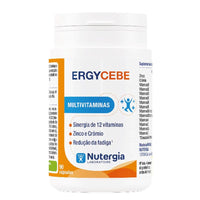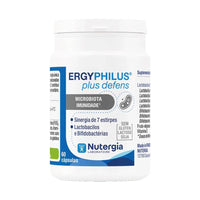


Keeping the body healthy and protected from disease is a constant daily concern—and to do so, we must ensure that the immune system functions at its best, serving as a defense against viruses, bacteria, and other pathogens. Fortunately, this balance is within reach for most people and depends, above all, on a healthy lifestyle, with regular exercise, adequate rest, and a balanced diet.
Vitamin C plays a prominent role: in addition to its recognized antioxidant power, it also contributes to modulating the immune response, helping to prevent infections and promoting a faster and more effective recovery.
Let's discover why it's important to regularly strengthen your immune system, what specific role vitamin C plays in this process, where you can find it, and what the ideal amounts are to maximize its benefits!
Importance of strengthening the immune system
The immune system functions as a complex network of cells, tissues, and organs that work together to defend the body against infections. In addition to fighting infectious agents, this defense is essential for repairing damaged tissue and eliminating abnormal cells.
Despite its importance, the immune system can be affected by several factors, such as stress, lack of sleep, an unbalanced diet, a sedentary lifestyle, and aging. All of these factors compromise the body's responsiveness, making it more vulnerable to frequent infections and hindering recovery from illness. To prevent these problems, it's essential to adopt strategies that help strengthen immunity —especially during periods when respiratory illnesses are more common, such as fall and winter.
An effective immune response requires active and effective immune cells, which in turn depend on the presence of essential nutrients that support their functions. This is where vitamin C plays a key role, thanks to its antioxidant and immunomodulatory properties.
What is Vitamin C and what are its benefits for immunity?
Vitamin C, also known as ascorbic acid, is a water-soluble vitamin essential for several physiological functions in the body. Since the human body cannot produce it, it must be obtained through diet.
One of the main benefits of vitamin C is its antioxidant capacity: it helps protect immune system cells from oxidative stress caused by free radicals, preventing cellular damage, premature aging and, consequently, the onset of various diseases 1,2 .
Furthermore, as we've seen, vitamin C plays a direct role in modulating the immune response itself. It stimulates the production and improves the function of various immune cells, such as T lymphocytes and phagocytic cells—essential for identifying and destroying pathogens—and contributes to the production of interferons, proteins that inhibit viral multiplication, helping the body fight viral infections more effectively .
As if that weren't enough, vitamin C also plays an important role in the absorption of non-heme iron (i.e., iron from plant sources) 4 , a mineral essential for the formation of red blood cells and the transport of oxygen — processes that, indirectly, are also responsible for the proper functioning of the immune system.
It's no surprise, then, that recent studies indicate that vitamin C supplementation can help reduce the duration and severity of common infections, such as the common cold. 5 Even if it doesn't directly prevent infection, maintaining adequate levels of this vitamin in the body contributes to a faster and more effective immune response.
What are the sources of vitamin C?
Vitamin C is naturally present in many foods that are already part of our daily lives—especially fresh fruits and vegetables. To ensure adequate intake, supplement your diet with:
● Guava: it is the fruit richest in this vitamin, although it is not very popular;
● Kiwi: less common, but with a high concentration of vitamin C, it is an excellent option for variety;
● Citrus fruits: oranges, lemons, tangerines, grapefruits and limes;
● Bell peppers: surprisingly, they contain even more vitamin C than many citrus fruits;
● Kale: rich not only in vitamin C, but also in other antioxidants essential for immunity;
● Mango and papaya: tropical fruits that are also good sources and contribute to a varied diet;
● Other good sources include strawberries, tomatoes and spinach .
It's important to remember that vitamin C is sensitive to heat, light, and exposure time. Therefore, it's best to consume fresh, raw, or lightly steamed foods to maximize their nutritional value.
Vitamin C consumption recommendations
Daily vitamin C intake recommendations vary depending on a person's age and sex, and are also influenced by specific physiological states, such as pregnancy or breastfeeding. The EFSA recommends the following recommended daily intakes :
● Adults: about 95 mg (women) to 110 mg (men) per day
● Pregnancy: about 105 mg per day
● Breastfeeding: about 155 mg per day
These amounts can be easily obtained through a balanced diet rich in the fruits and vegetables suggested above. However, in situations where the immune system demands more—such as periods of high stress or infection, but also in the case of smokers or those exposed to environmental pollutants—a higher intake may be necessary, always under the guidance of a doctor or nutritionist.
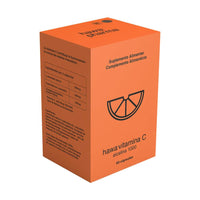
In these cases, vitamin C supplementation may be an option to consider, especially in cases of proven deficiency or when, for whatever reason, the diet is insufficient to meet the body's needs. It is important, however, not to exceed the recommended doses: excessive vitamin C consumption can cause adverse effects, such as gastrointestinal discomfort.
Vitamin C supplementation
Given the importance of strengthening the immune system, vitamin C is considered an essential nutrient—not only for its antioxidant and antiviral effects, but also for its ability to modulate the immune response. With a balanced diet rich in fresh fruits and vegetables, it's possible to ensure adequate intake to strengthen the body's defenses. However, in certain situations, supplementation may be necessary. If you have any questions about this topic and whether supplementation may be beneficial for your specific case, consult your doctor or nutritionist.
Did you enjoy this article? On the Bioself blog and on our social media channels, you'll find more content with helpful tips for better health. Start exploring!
Referências
Aviso legal
This article is not intended to diagnose, treat, or replace medical advice. Its content is for informational purposes only. Consult a doctor or healthcare professional regarding any medical diagnosis or treatment options related to your health. The claims made about specific products in this article are not approved to diagnose, treat, cure, or prevent disease.