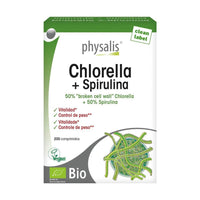


It has been consumed since the time of the Aztecs and is currently a favorite among astronauts during space travel. Spirulina captivates with its form and substance and continues to gain prominence as a powerful ally in a healthy diet [1] . Since 1974, the UN has, in fact, considered it one of the "foods of the future."
Spirulina is the star of this article: you'll learn exactly what this superfood is and the 5 major benefits it offers. You'll also discover how to incorporate spirulina into your diet.
What is spirulina?
Let's start with the name. The spiral shape helps explain the designation "spirulina ."2 We're talking about a cyanobacterium, that is, a microorganism capable of photosynthesis. [2] Spirulina grows in lakes, and this quality may explain why it was consumed early on by populations living near these bodies of water. The indigenous peoples of Mexico and North Africa, for example, consumed this food.
Besides its unique shape, spirulina also captivates with its color. The green color is explained by chlorophyll (the pigment that enables photosynthesis), while the bluish hues result from the presence of another pigment in this bacterium: phycocyanin 2 .
But what makes spirulina truly appealing is its nutritional profile. Don't be fooled by the size of this cyanobacteria. Despite being microscopic, spirulina has great potential. In fact, it's no coincidence that it's considered a superfood. It has a very high protein concentration (about 60-70%!), containing essential amino acids, but is also rich in B vitamins (such as B1, B2, B3, B6, and B12), vitamins C, E, and K. It also stands out for its diversity of essential minerals, such as iron, magnesium, selenium, and potassium . It also contains fatty acids, such as omega-3 and -6, several antioxidants, and fiber .
The benefits of spirulina
Given the nutritional potential of spirulina, which you're already familiar with in general terms, it's easy to see the beneficial effects of this food on human health. You'll now learn about 5 concrete benefits.
1. Supports muscle health
What truly sets spirulina apart from other foods is its high concentration of amino acids (protein constituents). It can help reduce muscle fatigue and promote recovery after exercise, possibly due to its ability to provide essential nutrients and antioxidants. 4 On the other hand, this high protein content makes spirulina a great supplement for people following vegetarian or vegan diets.
2. Weight control
Spirulina's benefits extend to maintaining a healthy weight. It may have appetite-suppressing effects, which can help reduce calorie intake and control weight . This can be attributed to its dense nutritional composition and the presence of bioactive compounds that can influence the body 's satiety signals. It may also be associated with a reduction in body fat and an increase in lean mass (muscle) .
3. Increased immunity
Because it's rich in several essential vitamins and minerals, which you already know, spirulina helps strengthen your immune system. It can improve certain aspects of immune function, such as increasing the production of antibodies and cytokines, which are important for the body 's defenses. It also has beneficial effects in reducing inflammation, which may be relevant for the prevention and treatment of various diseases .
4. Cholesterol reduction
Have you ever heard of LDL cholesterol? If you haven't heard of the term, we'll explain. It's "bad cholesterol," and spirulina helps reduce levels of this type of fat, as well as triglycerides. This is an even greater benefit for those with hypertension. What's more, spirulina increases the production of nitric oxide, which helps dilate blood vessels and improve blood circulation. For this reason, spirulina also promotes cardiovascular health.
5. Antioxidant action
Phycocyanin, along with other active ingredients such as chlorophyll, beta-carotene, zeaxanthin, and other carotenoids, has antioxidant properties that combat free radicals—molecules that are harmful to the body. [3] These substances reduce chronic inflammation, a characteristic of various diseases, such as cardiovascular disease, neurodegenerative diseases, arthritis, cancer, and diabetes, and prevent these pathologies. Spirulina's antioxidant and anti-inflammatory properties may also have neuroprotective effects, with potential in the treatment and prevention of neurological diseases such as Alzheimer's and Parkinson's.
How to take spirulina?
You already know the benefits of this superfood. The next step is to incorporate it into your diet. But how? It's very easy.
Spirulina is primarily sold in capsules or tablets, but it's also available in powder form. In the latter case, you can add it to juices, smoothies, baby food, and even pancakes, soups, or cakes. This way, you'll ensure you get an extra dose of protein in your meals.
You can easily find spirulina in pharmacies, supermarkets and online stores, such as Bioself .
Include spirulina in your diet
Although it is easily found, remember that you should only consume spirulina after consulting your doctor or nutritionist, as the recommended dose varies from person to person and according to different goals.
As soon as you start incorporating this food into your diet, you'll feel the positive effects of spirulina on your body and well-being. And this is the message you should remember: as a natural supplement and health enhancer, spirulina is one of the options available to you.
Check out other articles on the Bioself blog . We cover topics related to healthy eating and overall well-being. As a bonus, you'll also find some delicious recipes!
Referências
Aviso legal
This article is not intended to diagnose, treat, or replace medical advice. Its content is for informational purposes only. Consult a doctor or healthcare professional regarding any medical diagnosis or treatment options related to your health. The claims made about specific products in this article are not approved to diagnose, treat, cure, or prevent disease.