

Premenstrual syndrome (PMS) is a reality for most women of childbearing age and can negatively affect well-being and quality of life.
The good news is that there are natural and affordable ways to alleviate the symptoms that precede menstruation.
In this article, we share with you the strategies you can follow to bring greater balance to your menstrual cycle.
Nutrition: How Important is it During PMS?
The way you eat has a direct impact on the intensity of premenstrual syndrome symptoms 1,2 .
Science shows that Western dietary patterns, rich in refined sugars, sugary drinks, sodas, and processed foods, are associated with more intense PMS symptoms.
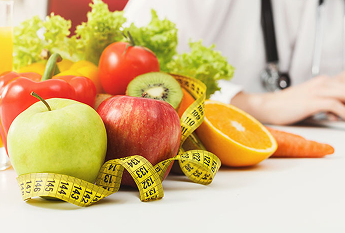
Therefore, to alleviate the discomfort, you should follow a balanced and healthy diet. That is, give preference to whole, minimally processed foods that are rich in fiber . .
Similarly, you should reduce your consumption of:
- Foods high in simple sugars and ultra-processed products;
- Fried foods, fast food, and foods high in saturated fat;
- Coffee, alcohol, and energy drinks;
- Salt (in excess), which can worsen fluid retention.
Some components deserve highlighting because of their relationship with hormonal balance and mood 1,2,3 :
- Complex carbohydrates : found in brown rice, oats, sweet potatoes, and legumes, help stabilize blood sugar levels and reduce mood swings;
- Fresh produce : Fruits, vegetables, and greens of various colors distributed throughout the day provide a good intake of fiber, antioxidants, vitamins, and essential minerals. They also contribute to good intestinal function.
- High-quality protein sources , such as white meats (chicken, turkey, rabbit) and eggs, promote the maintenance of muscle mass and satiety.
Supplements: Which Ones Can Help with PMS?
When diet alone is not enough to meet all nutritional needs, some supplements may be helpful in relieving the symptoms of premenstrual syndrome.
Just remember that supplementation should be personalized and guided by a healthcare professional.
With that caveat, we're sharing with you some micronutrients that show promising results and low risk when used with proper guidance.
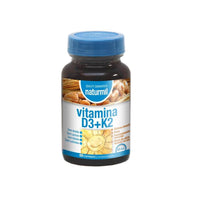
- Calcium and Vitamin D : Women with PMS tend to have lower calcium levels, so supplementation can reduce symptoms such as irritability, fatigue, and mood swings. Vitamin D is equally important for bone health and hormonal balance. In cases of deficiency, supplements can improve mood and reduce inflammation.
- Tryptophan : an amino acid found in fish, eggs, avocados, bananas, and yogurt, which contributes to the production of serotonin, known as the "happiness hormone" 1 ;
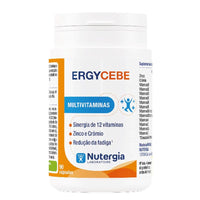
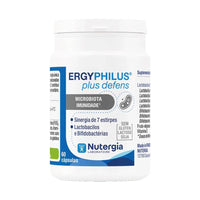
- Vitamin B6 : found in foods such as chicken, bananas, and yeast, helps regulate neurotransmitters linked to mood and may reduce irritability 1. Other B vitamins, such as B1 (thiamine), B2 (riboflavin), and B12, are essential for neurotransmitter production and may play a role in emotional regulation during the menstrual cycle 2 .
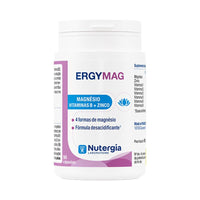
- Magnesium : found in seeds, nuts, whole grains, and leafy green vegetables, it can help reduce migraines, cramps, fatigue, and mood swings 2 .
- Zinc : a mineral with antioxidant and anti-inflammatory properties, and is also a potential antidepressant 2 .
Well, a balanced diet rich in essential nutrients can be a great ally in getting through this phase of the menstrual cycle more easily.
In fact, nutrition also influences a woman's health during menopause. Interested in learning more? Read more about nutrition and menopause .
Medicinal Plants: Which Ones Are Suitable?
Some medicinal plants and extracts have also been studied for their potential to alleviate symptoms of premenstrual syndrome 4 .
He notes that not all will be suitable for the same people and some may impact the effect of certain medications .
Ideally, seek professional advice before starting regular consumption .
- Vitex : widely used in cases of hormonal imbalances, it seems to help reduce breast tenderness and other physical symptoms of PMS. Now Chaste Berry Vitex extract is a possible solution;
- Chamomile : contains compounds with calming and anti-inflammatory effects. It can help reduce anxiety, improve sleep, and relieve menstrual cramps.
- Ginger : It is known for its anti-inflammatory and analgesic properties. It also shows positive effects in reducing physical and emotional symptoms. Ginger capsules are an option you can consider.
- Turmeric : has been investigated for its effects on mood and may help alleviate emotional symptoms such as sadness and irritability;
- Evening primrose oil or borage oil : contains gamma-linolenic acid (GLA), with antioxidant and anti-inflammatory properties, which can relieve PMS symptoms. If you are interested, you can try the Naturmil borage supplement ;
Habits That Can Relieve PMS
Your lifestyle also matters, and there are small daily changes that can have a significant impact on your physical and emotional well-being.
- Regular physical exercise : engaging in physical activity, whether it's walking, a light jog, or strength training, helps release endorphins. Exercise also improves circulation, reduces fatigue, and can relieve cramps 1,2 ;
- Stress management : techniques such as meditation, mindful breathing, or even leisure time (reading and listening to music, for example) can reduce tension and improve emotional balance 2 ;
- Quality sleep : establishing a regular sleep routine, avoiding screens before bed, and creating a calm bedroom environment can make all the difference;
- Avoid excessive alcohol and caffeine : alcohol can intensify mood swings and increase fluid retention 2. Excessive caffeine can worsen irritability and make it difficult to sleep 2 .
Together, these simple habits help prepare the body and mind to face the premenstrual period in a more balanced way.
When should you seek medical help?
Although common, PMS should not be underestimated . In some cases, the symptoms can be so intense that they interfere with work, studies, personal relationships, and quality of life.
It is advisable to seek medical attention when:
- The symptoms are very severe or debilitating;
- There are extreme mood swings, such as intense anxiety, irritability, or deep sadness;
- Natural strategies (diet, supplements, and healthy habits) do not provide sufficient relief;
- Premenstrual Dysphoric Disorder (PMDD) is suspected, a more serious condition characterized by pronounced and debilitating emotional symptoms.
Medical follow-up in gynecology can assess the situation, rule out other causes, and indicate the most appropriate treatment .
Conclusion
PMS can be alleviated with simple choices : a balanced diet, key nutrients, medicinal plants, and healthy lifestyle habits.
With small changes in daily life, it's possible to experience this period in a more balanced and comfortable way, promoting not only menstrual health but also overall well-being .
Each woman responds differently, so if the symptoms are very intense, it is important to seek medical advice.
Promote your health with Bioself.
If you enjoyed this article, explore our blog to read more educational content on topics related to nutrition, supplementation, and well-being. You'll also find some delicious recipes.
You can also receive all content directly in your inbox by subscribing to our newsletter. When you do, you'll get a surprise: an ebook about nutritional supplements!
Referências
Aviso legal
This article is not intended to diagnose, treat, or replace medical advice. Its content is for informational purposes only. Consult a doctor or healthcare professional regarding any medical diagnosis or treatment options related to your health. The claims made about specific products in this article are not approved to diagnose, treat, cure, or prevent disease.