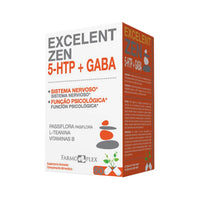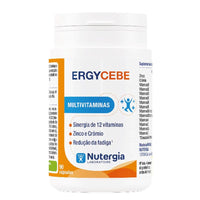


Menopause is a natural phase in women's lives that can bring new challenges. This biological process, which begins between the ages of 45 and 55, is divided primarily into perimenopause, a transitional phase with menstrual irregularities and hormonal symptoms; and postmenopause, which begins after 12 months without menstruation, indicating the end of ovarian function. The impacts are felt in various ways on women's health, affecting metabolism, bone density, cardiovascular health, and, of course, hormonal and emotional balance. 1
While the challenges of menopause are inevitable, there are steps you can take to reduce symptoms, prevent complications, and improve your quality of life. Nutrition plays an important role during menopause, helping to alleviate symptoms like hot flashes, mood swings, and weight gain, and reducing the risk of chronic diseases like osteoporosis and heart problems. Let's learn more about the relationship between nutrition and menopause and discover how choosing the right foods and supplements can help you embrace your maturation.
Menopause is the beginning of a new cycle, which deserves all the necessary attention!
Impact of Diet on Menopause
During menopause, the body reduces its production of female hormones, namely estrogen and progesterone. This leads to several physiological changes—for example, decreased estrogen reduces bone density, causes weight gain, and increases the risk of heart disease, as well as contributing to unpleasant symptoms like vaginal dryness, mood swings, and hot flashes.
This is where nutrition becomes essential. A balanced diet rich in specific nutrients can help reduce the intensity of these symptoms while also providing long-term health benefits. 2 Combined with regular physical activity, a healthy diet is an effective way to minimize the impacts of menopause.
The main benefits of a balanced diet during menopause include:
• Reduced intensity and frequency of hot flashes . Hot flashes and night sweats are among the most common symptoms of menopause. A plant-rich diet that avoids processed foods helps alleviate these vasomotor symptoms. Specifically, foods rich in phytoestrogens 3 – such as soy, tofu, edamame, miso, flaxseed and beans – mimic the action of estrogen in the body and help regulate body temperature.
• Body weight regulation and obesity prevention . Hormonal changes during menopause promote weight gain, especially in the abdominal region. Fiber-rich foods, such as fruits, vegetables, and whole grains, help control appetite, regulate blood sugar levels, and improve lipid profiles. 4 Additionally, lean proteins, such as white meat, eggs, and tofu, contribute to maintaining muscle mass.
• Strengthening the immune system. To prevent chronic problems during this more vulnerable phase, a diet rich in antioxidants is essential. Colorful fruits and vegetables, and even spices like turmeric, are rich in antioxidants such as vitamin C, vitamin E, and polyphenols, which help reduce inflammation .
• Maintaining bone health and preventing osteoporosis. Decreased estrogen can result in bone loss, increasing the risk of osteoporosis. Prevention involves consuming calcium-rich foods, such as dairy products, green vegetables, and nuts, such as almonds and walnuts. Adequate vitamin D intake is also essential, through fatty fish and eggs (in addition to sun exposure). 6
• Improved cardiovascular health and mental well-being. Menopause is associated with an increased risk of cardiovascular disease due to reduced estrogen, which has a protective effect on the heart. Changes in hormone levels can also cause symptoms of depression, irritability, and anxiety. Foods rich in omega-3s, such as salmon, sardines, and mackerel, and chia and flax seeds, help prevent cardiovascular disease and promote a sense of emotional well-being .
Beyond all this, a balanced diet isn't just about what you eat, but also what you choose to avoid. Some foods can worsen menopausal symptoms or even increase the risk of chronic diseases. It's important to exclude from your diet:
• Processed and sugar-rich foods , which contribute to weight gain and insulin resistance, can also worsen mood swings and increase inflammation in the body.
• Caffeine and alcohol , which increase the frequency and intensity of hot flashes. Caffeine can also impair sleep quality and increase anxiety.
• Fatty and salty foods , such as fried foods, fast food, and processed snacks, which increase the risk of cardiovascular disease when combined with the lipid profile of menopause. In particular, a diet high in salt can harm bone health 8 .
Ideal Supplements for Menopause
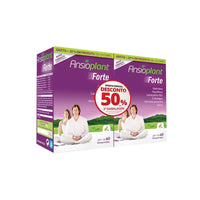
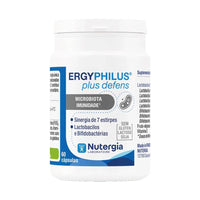
While a balanced diet should always be the main source of nutrients, some supplements can be helpful in ensuring there are no nutritional deficiencies during menopause. Supplements that can help include:
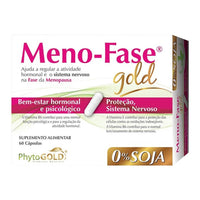
- Supplements with phytoestrogens , which have a chemical structure similar to estrogen, help reduce symptoms such as hot flashes and promote bone health 3 .
- Supplements with Maca , which has neuroprotective effects and promotes sexual health 9 .
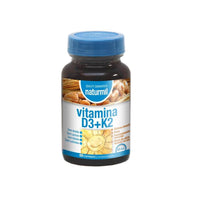
- Calcium, vitamin D, and magnesium supplements , which strengthen bone density, reducing the risk of osteoporosis. Calcium is essential for the formation and maintenance of bone mass, while vitamin D improves calcium absorption in the intestine. 6 Magnesium is essential for stabilizing a woman's metabolism, being essential for the nervous system and bone metabolism, and its deficiency is strongly linked to the incidence of osteoporosis. 10
- Creatine supplements , which promote body composition and bone mineral density, particularly in postmenopausal women, especially when combined with resistance training. They also improve mood and cognition .
- Omega-3 supplements , which have anti-inflammatory effects that help protect against cardiovascular disease 7 . They also contribute to emotional stability and the prevention of neurodegenerative diseases 7 .
Before starting supplementation, remember that it's essential to seek professional guidance and ensure your choices are tailored to your individual needs. A nutrition consultation is an excellent starting point for women who want to understand how diet can help them face the challenges of menopause. A Functional Nutrition consultation can adjust your diet, provide guidance on supplementation, and create a personalized plan, taking into account the woman's profile and the specificities of each stage of menopause.
The Importance of Lifestyle
Besides diet, other lifestyle changes are essential for health during menopause. Regular exercise, especially resistance and impact activities, helps maintain muscle and bone mass. Stress reduction techniques, including mindfulness and yoga, can also improve quality of life and alleviate the psychological symptoms associated with menopause.
Conclusion
Menopause brings physical and emotional challenges, but it's easier to face with the right care. A diet rich in phytoestrogens, calcium, vitamin D, omega-3s, and fiber helps maintain balance, while reducing processed foods, caffeine, and alcohol can alleviate uncomfortable symptoms. Supplementation can also be a great support, as long as it's accompanied by professional guidance. Maintaining an active and balanced lifestyle is key to living this phase with energy and well-being!
Referências
Aviso legal
This article is not intended to diagnose, treat, or replace medical advice. Its content is for informational purposes only. Consult a doctor or healthcare professional regarding any medical diagnosis or treatment options related to your health. The claims made about specific products in this article are not approved to diagnose, treat, cure, or prevent disease.