

Migraine is more than just a headache: it's a neurological condition that causes intense attacks, often accompanied by nausea, vomiting, sensitivity to light, sound, and even movement. It's estimated to affect more than 1 billion people worldwide, with a higher prevalence in young people and women, severely impacting quality of life .
Although genetic and hormonal factors dictate the predisposition to migraines, science has shown how diet can directly influence the frequency, intensity and duration of attacks 2 .
Let's explore the foods that can help prevent or alleviate migraine symptoms and those that can trigger attacks and should therefore be avoided or consumed with caution.
How does diet influence migraines?
Migraines are complex processes involving changes in the brain's blood vessels, inflammation, and an imbalance in signals transmitted by the nervous system. Diet can affect several key factors:
-
Regulation of neurotransmitters, such as serotonin (linked to mood and pain) 2 ;
-
Control of systemic inflammation and oxidative stress 3 ;
-
Improved circulation and blood flow to the brain 3 ;
-
Stability of blood sugar levels (prolonged fasting or sugar spikes can precipitate migraine attacks) 3 ;
-
Balance of intestinal and oral microbiota, which can also affect each person's vulnerability.
In other words: foods can act as protectors or triggers for migraines — it's important to understand which.
What foods help prevent or relieve migraines?
1. Fatty fish rich in omega-3
Salmon, sardines, mackerel, and tuna are excellent sources of anti-inflammatory fats (EPA and DHA). Several studies suggest that regular omega-3 consumption (including fatty fish in the diet 2 to 3 times per week) may help reduce the frequency and intensity of migraines . 5
2. Seeds, legumes and dark green leafy vegetables
Magnesium is an essential mineral for muscle relaxation and proper nervous system function, and its deficiency is linked to a greater predisposition to migraines 6 . Good dietary sources of magnesium include beans, spinach, kale, wheat bran, pumpkin, sunflower, and sesame seeds, as well as Brazil nuts. In some cases, supplementation may be necessary—always under professional guidance 6 .
3. Coenzyme Q10 (CoQ10)
CoQ10 is an antioxidant that supports mitochondrial function (the "battery" of our cells) and has shown good results in preventing migraines and relieving symptoms such as nausea and sensitivity to light and sound . 7 The main dietary sources of CoQ10 are organ meats, such as chicken or beef liver and hearts. However, due to the difficulty in consuming these foods regularly, many people opt for supplements, which are increasingly popular and affordable.
4. Mediterranean Diet
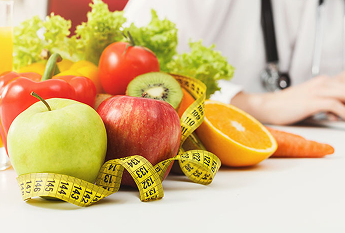
Rich in vegetables, fruits, olive oil, fish, legumes, whole grains and nuts, the Mediterranean diet is a protective eating pattern: thanks to its anti-inflammatory effect, it has been associated with a reduction in the frequency, duration and severity of migraines 6 .
5. Hydration
Dehydration is one of the most common triggers for migraines. Drinking water throughout the day , and increasing fluid intake in hot environments or after exercise, is a simple and effective strategy for preventing attacks . 8
What foods can trigger migraines?
1. Excessive caffeine
Caffeine can be both a friend and a foe for migraine sufferers. In moderate doses, it can even help relieve pain during an attack. However, excessive consumption and sudden cessation are among the most common triggers . For those sensitive to caffeine, it's recommended to drink no more than one to two cups of coffee per day.
2. Chocolate
Chocolate is often cited as a migraine trigger, although studies are inconclusive. For some people, it may induce seizures due to the presence of compounds such as tyramine and phenylethylamine .
3. Alcohol (especially red wine)
Red wine contains substances such as histamine, tannins, and sulfites, which can alter circulation in the brain and trigger migraine attacks . 10 In fact, studies show that up to 30% of migraine sufferers identify alcohol as one of their most common triggers . 10
4. Aged cheeses and foods rich in tyramine
Aged cheeses, cured meats, ham, sausages, and some fermented sauces (such as soy sauce) contain tyramine and nitrites, substances that can interfere with blood vessels and cause attacks 2 .
5. Artificial sweeteners and flavor enhancers (such as aspartame and MSG)
Widely present in soft drinks, snacks, fast food, and other processed foods (and, in the case of MSG, also in many Asian recipes), these additives are often cited as possible migraine triggers. The science isn't yet completely conclusive, but the most important thing is to understand how your body reacts and adjust your intake according to your sensitivity .
6. Processed meats (ham, bacon, sausages)
Processed meats contain nitrates and nitrites, which in the body are converted to nitric oxide, a substance that dilates blood vessels and may be linked to the onset of pain. Some studies show that people with migraines tend to have more oral bacteria capable of converting nitrates, which may explain their greater sensitivity to this type of food . 4
7. Citrus fruits and dried fruits
Although they are healthy foods, some people point to citrus fruits and nuts as migraine triggers — possibly because of compounds in these foods, such as phenols and tyramine 10 .
The link between diet and migraine is undeniable
Some foods help prevent and alleviate flare-ups, while others act as triggers. However, there's no single, universal rule. You can use this article as a guide to identify your personal triggers by keeping a food diary.
As a general rule, adopting an anti-inflammatory eating pattern—such as the Mediterranean Diet—tailored to individual needs, preferably with the guidance of a nutritionist or Functional Nutrition specialist, is a good starting point. Instead of being a victim of migraines, use your diet to your advantage and promote your well-being and quality of life on a daily basis.
Did you enjoy this article? On the Bioself blog , you'll find more content related to health, well-being, and nutrition. Check out the articles we've prepared for you now.
Referências
Aviso legal
This article is not intended to diagnose, treat, or replace medical advice. Its content is for informational purposes only. Consult a doctor or healthcare professional regarding any medical diagnosis or treatment options related to your health. The claims made about specific products in this article are not approved to diagnose, treat, cure, or prevent disease.