

Zinc is an essential mineral that plays a crucial role in several bodily functions. Although we only need zinc in very small amounts, it is still essential for maintaining our overall health and well-being.
Let's explore the role zinc plays in our bodies, its benefits, the richest food sources of this mineral, and how we can supplement it appropriately.
What is Zinc?
Zinc is an essential mineral with diverse biological functions, acting as a functional component of over 300 enzymes responsible for catalyzing chemical reactions. It also plays a key role in the structure of essential proteins and in the regulation of gene expression. 1 .
It participates in numerous chemical reactions that occur at a physiological level, contributing, for example, to glucose metabolism, hormone production, reproductive health, immune response and even brain function. 1. It is a true health ally!
What is Zinc for? 7 Benefits
With an indispensable role in so many biological functions, zinc has several proven benefits, mainly due to its anti-inflammatory and antioxidant properties.
1. Strengthening the immune system . Zinc helps in the development and function of cells responsible for defending our body; zinc deficiency can make us more vulnerable to infections .
2. Wound healing . In addition to contributing to the inflammatory response, zinc also plays a vital role in collagen synthesis, which is essential for any wound to heal properly. 3
3. DNA synthesis and cell division . Zinc is necessary for DNA replication and cell division, processes that are essential for the human body to grow and develop. 4
4. Perception of taste and smell . A common symptom of zinc deficiency is loss of taste and smell, when we notice that foods lose flavor or we can't identify stronger smells, such as fruits, flowers, or spices.
5. Cognitive development . Zinc contributes to healthy neurological function, influencing learning and memory capacity; in turn, zinc deficiency can translate into decreased concentration, memory, and reasoning.
6. Skin health . Adequate zinc levels are important for maintaining skin integrity and preventing conditions such as acne and dermatitis by controlling sebum production. 4
7. Hormonal regulation . Zinc is involved in the production and regulation of hormones such as testosterone, influencing reproductive health and other endocrine functions. 4
Where can we find Zinc?
Our bodies don't produce zinc naturally, so we have to get it through our diet. Fortunately, there are many foods rich in this important mineral. Top sources of zinc include:
• Seafood, such as oysters (the food richest in zinc) 1.4 and shrimp;
• Red meat and offal, such as beef and liver, respectively4;
• Poultry, such as chicken and turkey 4 ;
• Whole grains, such as oats, quinoa and brown rice 2 ;
• Legumes, such as beans, chickpeas and lentils, which become even more important sources of zinc for those following vegetarian diets 1,2 ;
• Dairy products, including milk, cheese and yogurt.
• Nuts and seeds, such as almonds, walnuts, pumpkin seeds, which are other excellent plant-based sources of zinc 1 ;
Zinc bioavailability—that is, the zinc that actually enters our circulation and exerts its effects on the body—varies among different sources. Animal foods tend to provide more bioavailable zinc compared to plant sources, largely due to the presence of phytates in the latter, which interfere with absorption .
How to take Zinc?
The recommended daily intake of zinc varies with age and biological sex, as well as with specific conditions, such as pregnancy or lactation. On average, the recommended values are 6 :
Adult men: 11 mg
Adult women: 8 mg
Pregnant women: 11 mg
· Lactating women: 12 mg
For most people, a balanced diet is sufficient to meet zinc needs. However, in cases of deficiency, especially among older adults, supplements may be necessary. Even among healthy individuals, supplementation can be helpful in combating respiratory infections and colds, shortening their duration .
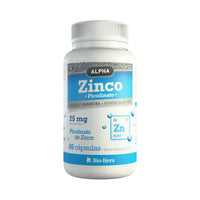
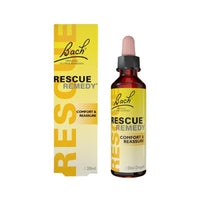
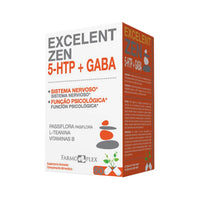
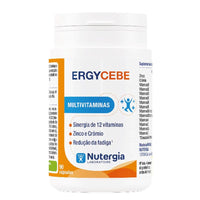
There are several supplements available: zinc sulfate, zinc gluconate, or zinc picolinate, which facilitates absorption. To help you, we've shared some suggestions at the end of this article.
Before starting any supplementation, it is essential to consult a health professional who can assess the need, determine the appropriate dose, and avoid adverse effects.
Conclusion
Zinc is one of the most abundant elements in the human body, which doesn't mean zinc deficiency isn't a relatively common problem. In addition to a well-rounded diet, supplementation can promote absorption, proving to be an important ally in strengthening the immune system and promoting overall well-being.
Read More Bioself Content
Did you enjoy this article? Read other content we've prepared for you on the Bioself blog ! There, you'll find information on health and well-being, and even some recipes to try at home. Enjoy.
Referências
Aviso legal
This article is not intended to diagnose, treat, or replace medical advice. Its content is for informational purposes only. Consult a doctor or healthcare professional regarding any medical diagnosis or treatment options related to your health. The claims made about specific products in this article are not approved to diagnose, treat, cure, or prevent disease.