
Feeling low on energy? It might not be "just tired." The cause could be iron deficiency.
This mineral is essential for keeping your body functioning fully, and when you're experiencing an iron deficiency, your energy, concentration, and even your physical health suffer.
In this article, we'll explain what iron is for, what the symptoms of iron deficiency are, the most common causes, how to confirm the diagnosis, and the best ways to improve absorption.
How Important is Iron for the Body?
Iron is an essential mineral for the human body for several reasons. We highlight five :
-
Carries oxygen : Iron produces hemoglobin, a protein in the blood that carries oxygen from the lungs to all the cells in the body;
-
Produces energy : iron participates in metabolic reactions that convert food into energy usable by the body;
-
Promotes immunity : iron supports the proper functioning of immune system cells and helps fight infections;
-
Improves brain function : adequate iron levels are associated with greater learning, concentration and memorization capacity;
-
Boosts skin and nail health : iron contributes to the development of collagen and keratin, proteins essential for the firmness of skin and nails, respectively.
What Are the Symptoms of Iron Deficiency?
The main symptoms of iron deficiency are anemia , tiredness and a feeling of weakness. 3 However, there are other characteristic signs of a lack of this mineral :
-
Paleness : the skin and mucous membranes, especially the gums, may be whiter than normal due to reduced hemoglobin;
-
Headaches : Iron deficiency can also affect blood flow to the brain, causing headaches and even dizziness;
-
Shortness of breath : there may also be breathing difficulties and palpitations, especially during physical exertion;
-
Difficulty concentrating : cognitive performance is also affected, namely the ability to focus on tasks;
-
Hair loss and brittle nails : Your hair health can become fragile and you may also end up with thin, brittle nails.
What Causes Iron Deficiency?
Iron deficiency is a common condition even in healthy people and has three main causes :
-
Blood loss : Problems such as ulcers, polyps, and even bowel cancer can cause bleeding that results in this deficiency. In women specifically, iron deficiency is even common during menstruation, precisely because of more prolonged or voluminous blood loss.
-
Low intake : reduced consumption of iron-rich foods is also a common cause. Similarly, people on restrictive diets, such as vegetarians, may have greater difficulty obtaining more bioavailable iron from their diet;
-
Malabsorption : Conditions such as celiac disease, Crohn's disease, and other inflammatory bowel diseases can impair the absorption of iron and other nutrients.
How to Diagnose Iron Deficiency?
Diagnosis of iron deficiency is made through a combination of three processes:
-
Medical evaluation : the healthcare professional asks about your symptoms of fatigue and paleness and independently makes associations to identify whether the problem may in fact be a lack of iron;
-
Physical examination : Following the evaluation, a clinical examination of your eyes, oral mucosa, or nails, for example, is performed. These areas of the body can also indicate iron deficiency;
-
Blood tests : to confirm suspicions, a complete blood count is recommended, which assesses the red blood cell count, hemoglobin and other information about blood cells, ferritin (iron reserves), iron, transferrin, for example.
If you suspect you have an iron deficiency, it is essential to consult a doctor for a definitive diagnosis.
Iron-Rich Foods: What Are the Best Options?
Iron-rich foods include 4 :
-
Red meats: beef, in particular;
-
Cow tongue;
-
Fish and seafood (sardines, tuna, oysters);
-
Legumes: beans, chickpeas and lentils;
-
Vegetables and legumes: spinach, cabbage, for example;
-
Whole and fortified cereals;
-
Dried fruits.
There are two types of iron:
-
Non-heme iron, found in plant sources (legumes, oilseeds, whole grains) with an absorption rate of approximately 5%.
-
Heme iron present in animal sources (meat, fish, liver), which has an absorption rate of approximately 40%.
-
It is also recommended to alternate plant and animal sources to ensure nutritional balance and take advantage of synergies between nutrients.
To increase the absorption of this mineral, it is a good practice to consume foods rich in vitamin C along with the foods we mentioned, especially those containing non-heme iron.
You should also avoid calcium-rich foods like milk and yogurt, and drinks like coffee and tea during main meals with iron-rich foods, as they reduce absorption.
-
Practical example of a meal: beef + previously soaked beans + brown rice + salad with bell peppers and oranges (rich in vitamin C) → combination that improves iron bioavailability.
When and How to Take Iron Supplements?
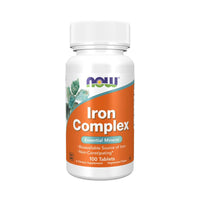
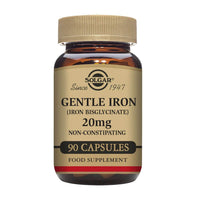
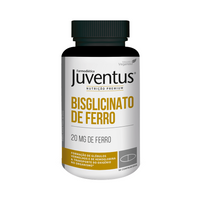
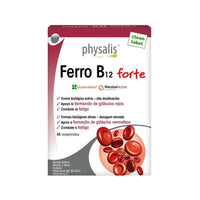
Iron supplements are recommended when a deficiency is confirmed. It's also important to follow your doctor's instructions regarding dosage and duration of supplementation. Be aware that excess iron can also be harmful.
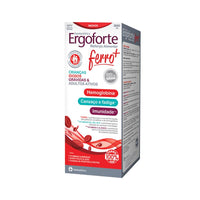
When it comes to how they are taken, iron supplements are mainly available in capsule and tablet form, but syrups are also an option.
Conclusion
Ignoring iron deficiency is giving your body permission to function at half capacity.
The good news is that with the right diagnosis and some dietary adjustments, or, if necessary, supplementation, it is possible to quickly regain energy, concentration and vitality.
Most importantly, remember that prevention is always easier and healthier than correction.
Referências
Aviso legal
This article is not intended to diagnose, treat, or replace medical advice. Its content is for informational purposes only. Consult a doctor or healthcare professional regarding any medical diagnosis or treatment options related to your health. The claims made about specific products in this article are not approved to diagnose, treat, cure, or prevent disease.