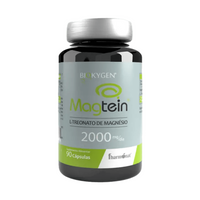



Vitamin D is a micronutrient we ingest and a hormone our bodies produce. Therefore, and to be more precise, it should not be considered just a vitamin 1 , but a steroid hormone 2 . What is indisputable is its importance in keeping our bodies healthy.
Did you know that there are two types of vitamin D?
Vitamin D3:
It is produced naturally in the human body, from sun exposure and the consumption of some foods of animal origin (fatty fish, egg yolk, liver, meat and fortified dairy products) 1
Vitamin D2:
Synthesized from plants in response to solar radiation, it is the form of vitamin D found in fortified foods and some supplements 1
In recent years, research has revealed the complex metabolism of vitamin D, which involves several activation steps and acts as a hormone in our tissues, organs and bones.
What is vitamin D for?
Bone health
Vitamin D helps our bodies absorb and retain calcium and phosphorus, which are essential for bone health. Therefore, it plays a crucial role during our growth years, but also in the health of our skeleton throughout adulthood. Low levels of vitamin D compromise bone renewal and decrease its density, contributing to the risk of fractures. A deficiency in this vitamin is associated with specific bone problems, namely rickets in children and osteoporosis in the elderly.
Immune system and intestinal microbiota
Vitamin D is an essential regulator of our immunity, strengthening our defenses against pathogens. 4 Low serum vitamin D levels have been associated with an increased risk of autoimmune diseases, including conditions such as psoriasis, type 1 diabetes, multiple sclerosis, and others. 5 This role of vitamin D extends to the intestine, where it promotes the complex balance between the gut microbiota and the immune system. 6
Other health conditions
Although vitamin D is traditionally associated with bone homeostasis, recent studies have revealed its role in many other biological activities. The link between low vitamin D levels and an increased risk of cancer is well established, as is a decreased survival rate—attributed to the greater severity of symptoms and the potential for metastasis . Vitamin D deficiency has also been linked to cardiovascular disease . We also know that vitamin D plays a significant role in female and male fertility.
What are the recommended daily doses?
Vitamin D recommendations can be expressed in micrograms (μg) or international units (IU).
For adults 19 and older, the recommended dietary allowance—that is, vitamin D we get through food—is 600 IU (15 μg) per day. For people over 70, whose bone health is more vulnerable, this amount rises to 800 IU (20 μg) per day. 1
The Tolerable Upper Intake Level corresponds to the maximum amounts that we can consume without likely harmful effects on health. For adults and children over 9 years of age, the corresponding value for vitamin D is 4,000 IU (100 μg) 1 .
How can we enhance the absorption of this vitamin through sun exposure?
Food intake accounts for only a small portion—about 20%—of the vitamin D that enters our bodies. The majority, approximately 80%, is synthesized by the skin after exposure to UVB- 3 rays and becomes active after being metabolized by the liver and kidneys. That's why sunbathing during the summer is so important!
Supplementation: when to take it?
Vitamin D deficiency is a widespread problem. Recent studies suggest that approximately 40% of Europeans have very low vitamin D levels, and that 13% have severe deficiency. 10 Although Portugal is a sunny country, our figures seem even more worrying: 66% of Portuguese people have vitamin D insufficiency or deficiency. 11 Given these alarming figures, supplementation is crucial.
Vitamin D supplements are important for those vulnerable to conditions that reduce natural exposure to UVB light. Groups at greatest risk of deficiency include those who spend little time outdoors, but also those with darker skin tones, whose higher levels of melanin act as a kind of natural sunscreen. Other contributing factors include conditions such as obesity, malabsorption syndrome, inflammatory bowel disease, or simply older age. 12 Sunscreen use, while always recommended, also inhibits the natural absorption of vitamin D, so even those who enjoy a day at the beach should monitor their serum levels.
Supplementation recommendations differ between countries, with levels typically ranging from 400 to 2,000 IU daily (note: 1 μg = 40 IU). 10 Although the upper daily limit recommended by the Endocrine Society is 10,000 IU, the Institute of Medicine (IOM, USA) and the European Food and Drug Administration recommend that supplementation levels remain below 4,000 IU/day (100 μg). 10 Most countries opt for a more prudent maximum level of 50 μg per day (2,000 IU) for adults. 10 However, it is important to remember that each person is unique, and the supplement dose will always depend on vitamin D levels in blood tests, general health, and individual lifestyle.
In clinical analyses, the most commonly used biomarker to estimate vitamin D levels in the body is the serum concentration of 25(OH)D 3 12 . The reference values correspond to:
Acceptable: 30 - 80 ng/mL
Deficient: <20 ng/mL
Insufficient: 20-30 ng/mL
Possible toxicity: >150 ng/mL
Therefore, it is always recommended to consult a healthcare professional, your doctor or nutritionist, to adapt the daily dosage to your specific needs.
Referências
Aviso legal
This article is not intended to diagnose, treat, or replace medical advice. Its content is for informational purposes only. Consult a doctor or healthcare professional regarding any medical diagnosis or treatment options related to your health. The claims made about specific products in this article are not approved to diagnose, treat, cure, or prevent disease.