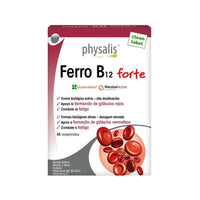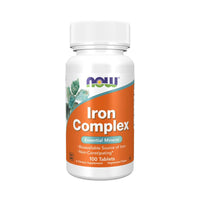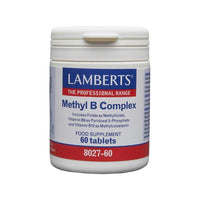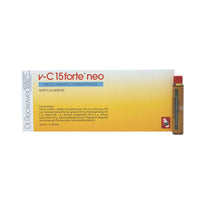


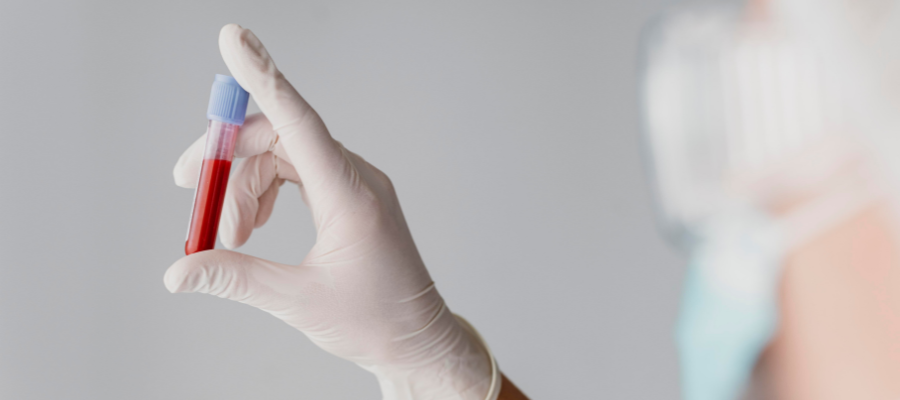
Do you suffer from some type of anemia? In this article, we explain what anemia is, its causes, symptoms, and prevention measures.
Anemia is a clinical situation in which the hemoglobin content in the blood decreases to values lower than those considered normal for age, sex, stage of growth or for a pregnancy situation 1 .
Our blood contains three basic types of cells: red blood cells, white blood cells, and platelets. Red blood cells contain hemoglobin, which is responsible for transporting oxygen from the lungs throughout the body (and, conversely, for carrying carbon dioxide to the lungs, where it is eliminated). If there are not enough red blood cells to distribute oxygen effectively, we can develop various symptoms. 2,3
What are the causes of anemia?
Anemia can be caused by several factors 2 :
- Nutritional deficiencies, caused by poor eating habits or impaired nutrient absorption. The most common nutritional cause of anemia is iron deficiency, although deficiencies of folate, vitamin B12, and vitamin A are also important causes.
- Infections (e.g. malaria, parasitic infections, tuberculosis, HIV);
- Inflammation;
- Chronic diseases;
- Gynecological and obstetric conditions;
- Hereditary red blood cell disorders.
What are the symptoms that can lead to the detection of anemia?
The progressive decrease in the level of hemoglobin and erythrocytes in the blood causes a worsening of the signs and symptoms of anemia, which can be reflected in:
- Fatigue and lack of strength
- Pallor
- Headache, irritability, sleep disturbances
- Dizziness
- Difficulty concentrating
- Depression
- Low blood pressure, fainting
- Brittle nails
- Lack of appetite
- Rapid heart rate (tachycardia)
What to do in terms of prevention?
To prevent anemia, it is crucial to adopt a complete and balanced diet and an overall healthy lifestyle. Furthermore, it is important to perform regular clinical tests to check blood levels: if they fall below ideal values, prompt intervention will prevent the occurrence of more severe anemia. This assessment may also include levels of iron, ferritin, transferrin, transferrin saturation, folic acid, and vitamin B12 (cyanocobalamin).
The puzzle of iron bioavailability
In functional nutrition, we think about the entire nutritional network that may be involved in the development of anemia.
What micronutrients can contribute to the prevention and/or treatment of iron deficiency anemia?
- First, there is iron itself, responsible for transporting oxygen through hemoglobin. 5 Its main dietary sources are organ meats (liver, for example), red meat, legumes, pumpkin seeds, and some cereals. 6 The intestinal microbiota can facilitate iron absorption.
- Vitamin B2 (riboflavin) plays a key role in iron absorption and storage. Riboflavin deficiency may be associated with microcytic hypochromic anemia as a result of decreased iron absorption. 5 Important dietary sources include milk and organ meats. 6
- Vitamin A helps mobilize our iron stores. 5 In more recent research, some authors also point to a link between vitamin A deficiency and insufficient iron absorption. 5 The richest food sources of vitamin A are liver, carrots, and sweet potatoes. 6
- Vitamin C increases the bioavailability of non-heme iron present in foods, also influencing the transport and storage of iron in the body. 5 Guava, kale, bell peppers, kiwi, and papaya are some of the foods richest in vitamin C.
- Vitamin B12 deficiency, as well as folate deficiency, is a major cause of megaloblastic anemia. The main dietary sources of B12 are liver, shellfish, oysters, and red meat—which is why this anemia is more common in vegetarians and vegans, for whom supplementation is essential .
- Copper also activates cuproenzymes, necessary for cellular respiration and iron transport 5 , and is found in foods such as liver, mussels, oysters, whole grains, nuts and chocolate 5 .
- On the other hand, calcium inhibits iron absorption and can worsen iron deficiency anemia. 5 In these cases, it is recommended to avoid foods richer in calcium, such as milk and dairy products, along with iron supplementation.
Supplementation and anemia
At certain stages of our lives, we'll have a greater need for iron, and food intake may not be sufficient. At these times, it's important to take supplements, as recommended by a healthcare professional.
Referências
Aviso legal
This article is not intended to diagnose, treat, or replace medical advice. Its content is for informational purposes only. Consult a doctor or healthcare professional regarding any medical diagnosis or treatment options related to your health. The claims made about specific products in this article are not approved to diagnose, treat, cure, or prevent disease.