

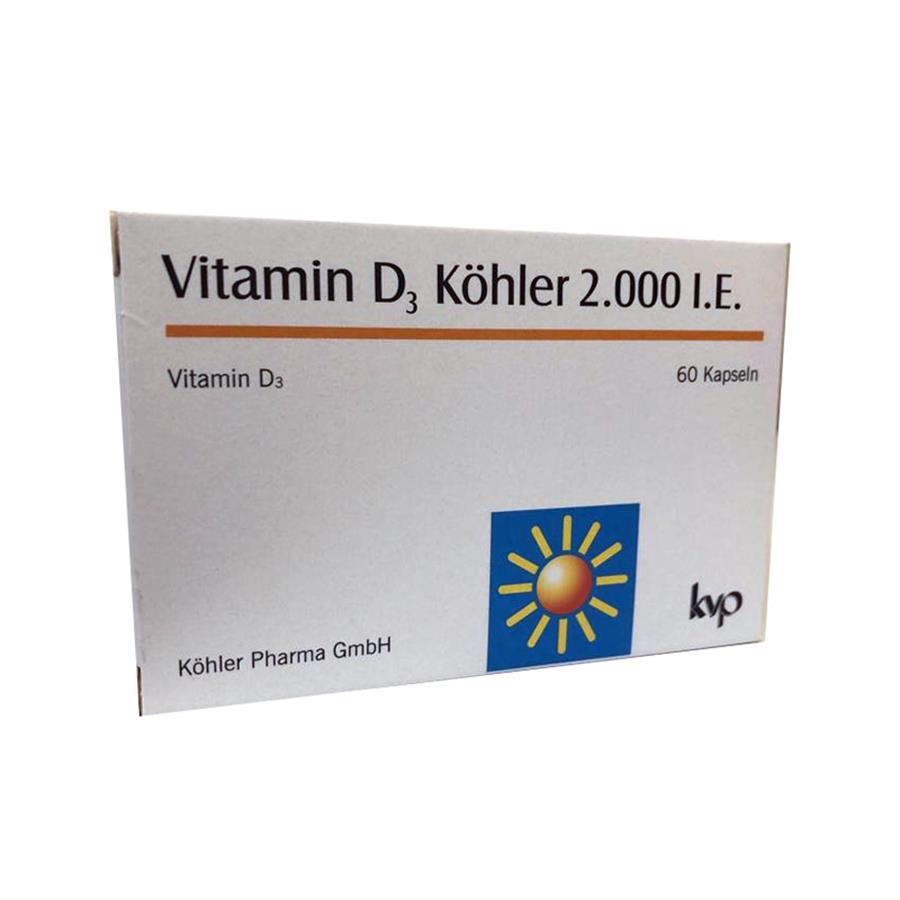
-
Descrição
Vitamin D is a fat-soluble vitamin essential for maintaining calcium metabolism.
Vitamin D3 (cholecalciferol) can be synthesized by humans through exposure to ultraviolet B (UVB) rays, i.e., through daily sunlight, or obtained from food. Plants synthesize ergosterol, a substance similar to calciferol, which is converted to vitamin D2 (ergocalciferol) by the action of ultraviolet light.
Foods containing vitamin D include fatty fish, liver, and egg yolks. Cod liver oil is a particularly important source of this vitamin. Regular consumption of these foods, however, rarely corresponds to a typical diet. Therefore, dietary vitamin D intake provides only a small portion of what is needed. When exposure to UVB radiation is insufficient for the synthesis of adequate amounts of vitamin D3, adequate dietary vitamin D intake is essential for health.
Vitamin D is biologically inactive and must be metabolized—that is, transformed into its biologically active form—to be absorbed. After synthesis or ingestion, vitamin D is absorbed and transported through the bloodstream to the liver, where it is hydroxylated to form 25-hydroxyvitamin D, the main circulating form of this vitamin. Increased exposure to sunlight or increased vitamin D intake increases serum 25-hydroxyvitamin D levels, making its serum concentration a useful indicator of vitamin D nutritional status.
In the kidney, the enzyme 25-hydroxyvitamin D3-1-hydroxylase catalyzes a second hydroxylation of 25-hydroxyvitamin D, resulting in the formation of 1,25-hydroxyvitamin D (calcitriol, 1a,25-dihydroxyvitamin D), which is the more potent form of vitamin D.
Most of the physiological effects of vitamin D3 in the human body are related to the activity of 1,25-dihydroxyvitamin D3. -
Disclaimer
Bioself Natura Ltda. is not responsible for any discrepancies and/or changes in the product information provided by the supplier/manufacturer on the website, as stated on the product labels. Therefore, we recommend that you always read the mandatory and/or voluntary information on product labels before using or consuming them.
-
Descrição
Vitamin D is a fat-soluble vitamin essential for maintaining calcium metabolism.
Vitamin D3 (cholecalciferol) can be synthesized by humans through exposure to ultraviolet B (UVB) rays, i.e., through daily sunlight, or obtained from food. Plants synthesize ergosterol, a substance similar to calciferol, which is converted to vitamin D2 (ergocalciferol) by the action of ultraviolet light.
Foods containing vitamin D include fatty fish, liver, and egg yolks. Cod liver oil is a particularly important source of this vitamin. Regular consumption of these foods, however, rarely corresponds to a typical diet. Therefore, dietary vitamin D intake provides only a small portion of what is needed. When exposure to UVB radiation is insufficient for the synthesis of adequate amounts of vitamin D3, adequate dietary vitamin D intake is essential for health.
Vitamin D is biologically inactive and must be metabolized—that is, transformed into its biologically active form—to be absorbed. After synthesis or ingestion, vitamin D is absorbed and transported through the bloodstream to the liver, where it is hydroxylated to form 25-hydroxyvitamin D, the main circulating form of this vitamin. Increased exposure to sunlight or increased vitamin D intake increases serum 25-hydroxyvitamin D levels, making its serum concentration a useful indicator of vitamin D nutritional status.
In the kidney, the enzyme 25-hydroxyvitamin D3-1-hydroxylase catalyzes a second hydroxylation of 25-hydroxyvitamin D, resulting in the formation of 1,25-hydroxyvitamin D (calcitriol, 1a,25-dihydroxyvitamin D), which is the more potent form of vitamin D.
Most of the physiological effects of vitamin D3 in the human body are related to the activity of 1,25-dihydroxyvitamin D3. -
Disclaimer
Bioself Natura Ltda. is not responsible for any discrepancies and/or changes in the product information provided by the supplier/manufacturer on the website, as stated on the product labels. Therefore, we recommend that you always read the mandatory and/or voluntary information on product labels before using or consuming them.
Também poderá gostar
-
-10%
Dr. Reckeweg VC 15 Forte Neo 24 Ampoules
0/5 - 0 Opiniões€2,05 por Ampoule€49,32
€54,80
-
-50%
Fharmonat Biokygen Red Rice Cholesterol 60 Capsules - Pack of 3
0/5 - 0 Opiniões€0,16 por Capsule€29,85
€59,70
-
-20%
Bach Floral Rescue Remedy Drops 20ml
0/5 - 0 Opiniões€0,79 por ml€15,99
€19,99
-
-15%
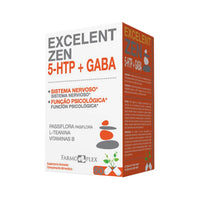
Farmoplex Excelent Zen 60 capsules
0/5 - 0 Opiniões€0,33 por Capsule€20,09
€23,64
-
-15%
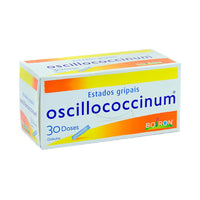
Boiron Oscillococinum 30 servings
0/5 - 0 Opiniões€1,13 por unit NOTIFICAR€33,91
€39,90
-
-20%
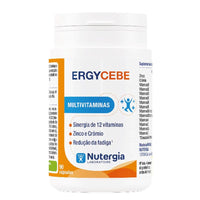
Nutergia Ergyceb 90 Capsules
0/5 - 0 Opiniões€0,23 por Capsule€21,56
€26,95
-
-40%
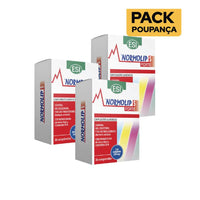
ESI Normolip 5 Strong 36 Tablets - Pack of 3
0/5 - 0 Opiniões€0,49 por Tablet€53,91
€89,85
-
-30%
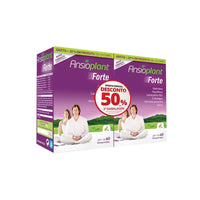
CHI Ansioplant Forte Package 2x60 Tablets
0/5 - 0 Opiniões€0,12 por Tablet€15,46
€22,09
-
-20%
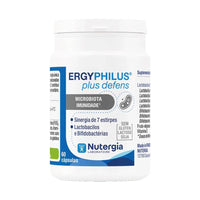
Nutergia Ergyphilus Plus Defense 60 Capsules
0/5 - 0 Opiniões€0,29 por Capsule€17,80
€22,25
-
-15%
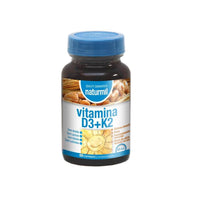
Naturmil Vitamin D3 + K2 60 Tablets
0/5 - 0 Opiniões€0,31 por Tablet€19
€22,35
-
-20%
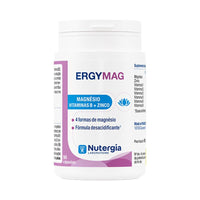
Nutergia Ergymag 90 Capsules
0/5 - 0 Opiniões€0,20 por Capsule€18
€22,50
-
-40%
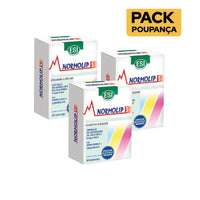
ESI Normolip 5 60 Capsules - Pack of 3
0/5 - 0 Opiniões€0,25 por Capsule€45,63
€76,05