










Who hasn't experienced a memory lapse or difficulty concentrating? Forgetting an important task or losing focus while studying or working happens to everyone, and it's not a cause for concern in itself. However, in an increasingly fast-paced world, we constantly demand more from our brains, and it's crucial to support them and protect them from aging. The good news? There are natural ways to boost your cognition!
Our cognitive ability results from a complex interplay of genetic, environmental, and nutritional factors. With increasing life expectancy and growing concern about mental decline, interest in the role of dietary supplements in memory and concentration is growing. Science has explored the benefits of vitamins, minerals, and bioactive compounds in preventing neurodegeneration and optimizing brain performance. We'll learn more about these essential components in this article.
The Gut-Brain Axis
It may seem surprising, but brain health starts in the gut. Recent studies highlight the importance of the gut-brain axis in cognitive function, revealing how the gut microbiota directly influences neurotransmitter production, the body's response to systemic inflammation, and neurogenesis . Research has even demonstrated a link between gut dysbiosis and neurodegenerative diseases, suggesting that neuroinflammation may be triggered by changes in the microbiota—a determining factor in the progression of pathologies such as Alzheimer 's .
The key to balanced gut health lies in a dietary pattern rich in fiber, probiotics , and prebiotics, including antioxidant-rich fruits and vegetables, nuts, and fermented foods like kombucha, kefir, and plain yogurt. These foods enhance neuroprotective benefits, promoting brain health and gut-brain communication .
Supplementation can be a valuable ally in addressing nutritional deficiencies and optimizing cognitive function. But which memory and concentration supplements can really make a difference?
Omega-3
Omega-3 fatty acids, found primarily in fatty fish (such as sardines, salmon, and mackerel), nuts, and seeds, have been extensively investigated for their beneficial effects on brain function. Clinical trials show that regularomega-3 supplementation improves memory and cognitive function .
Vitamin D
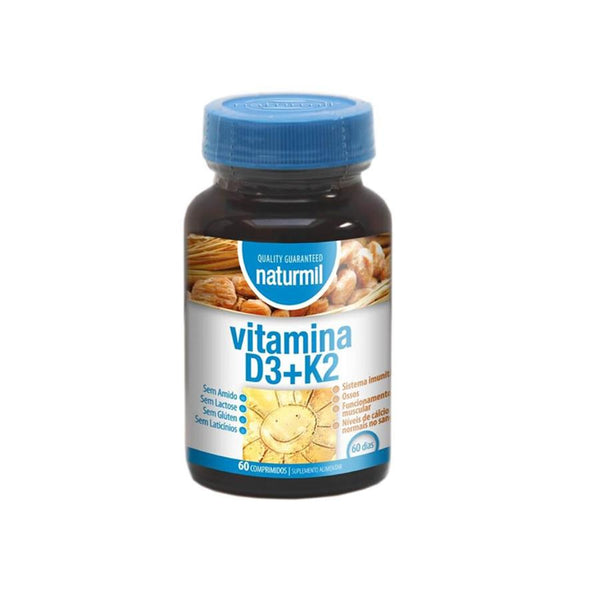
Vitamin D is an essential modulator of neuronal function and neuroprotection. Several studies suggest an association between vitamin D levels and cognition , indicating that low levels of this vitamin are linked to a higher risk of cognitive decline.⁴
Magnesium
Magnesium is an essential mineral that plays an important role in synaptic plasticity and neuronal transmission. Magnesium supplementation can play a significant role in improving memory and concentration, preventing cognitive decline, and even helping to reduce stress and anxiety.⁵
B Complex Vitamins
B vitamins are essential for brain health, playing a key role in neurotransmitter synthesis and reducing homocysteine levels, a biomarker associated with cognitive decline. 6 Supplementation has been increasingly studied as an effective strategy to mitigate age-related cognitive decline.
Within this group, vitamin B12 stands out as a powerful ally for cognitive function and helps reduce depressive symptoms. Maintaining adequate B12 levels is crucial for neurological health, and its deficiency is often associated with memory and concentration difficulties.
Bioactive compounds in memory and concentration
Some bioactive compounds have shown significant neuroprotective properties, acting not only as antioxidants and anti-inflammatory agents but also promoting brain health in older adults and helping to prevent age-related cognitive decline. 8 These compounds include:
• Phenolic compounds, present in foods such as olive oil, red fruits and turmeric;
• Isothiocyanates, found in cruciferous vegetables;
• Carotenoids, plant pigments responsible for the orange, yellow and red colors of fruits and vegetables;
• Resveratrol, a polyphenol found in foods such as grapes, blueberries, and dark chocolate.
These compounds have proven to be valuable allies in protecting and promoting brain health.
Key points about supplements to improve memory and concentration
Scientific evidence has increasingly shown that supplements such as vitamin D, omega-3s, B vitamins, magnesium, and curcumin can play a crucial role in improving memory and concentration. Furthermore, a balanced gut microbiota emerges as a fundamental factor for cognitive health, reinforcing the need for an integrative nutritional approach.
It's essential to always consider individual factors, such as medical history, lifestyle, and nutritional status, before starting any supplement. If you want to know which memory and concentration supplement is best for you, or if you experience significant cognitive symptoms, we recommend seeking guidance from a specialized healthcare professional.
Read More Bioself Content
Did you enjoy this article? Read other content we've prepared for you on the Bioself blog! There, you'll find information on health and well-being, and even some recipes to try at home. Enjoy.
References
Disclaimer
This article is not intended to diagnose, treat, or replace medical advice, and its content is for informational purposes only. Consult a doctor or healthcare professional regarding any medical diagnosis related to your health or any potential treatment options. The claims made about specific products in this article have not been approved to diagnose, treat, cure, or prevent disease.