

The arrival of spring brings longer days, mild temperatures, and the renewal of nature—but for many, it's also synonymous with seasonal allergies. Flower and tree pollen triggers reactions like allergic rhinitis in millions of people, causing symptoms like sneezing, nasal congestion, watery and irritated eyes, and even headaches. Fortunately, this discomfort can be alleviated with the help of essential oils, natural and effective allies for allergy sufferers.
Essential oils are highly concentrated compounds extracted from plants, recognized for their therapeutic properties. Some have anti-inflammatory, decongestant, and calming effects, making them ideal for combating the effects of allergies. Let's explore the most effective essential oils for relieving allergy symptoms and how you can incorporate them into your daily routine to breathe better and make the most of spring!
5 Essential Oils for Spring Allergies
1. Peppermint Essential Oil (Mentha piperita)
Peppermint essential oil is a powerful ally in combating seasonal allergies, thanks to its decongestant and anti-inflammatory properties. This oil helps clear airways and improve breathing, making it indispensable for those suffering from a stuffy and swollen nose.
How to use : It can be inhaled directly by applying 1-2 drops to a tissue and inhaling deeply, or diffused into the environment with a diffuser. Topical application is also effective: simply mix 2 drops with a tablespoon of a carrier oil, such as coconut oil, and massage onto the chest for respiratory relief. Avoid direct contact with eyes, as it can cause irritation.
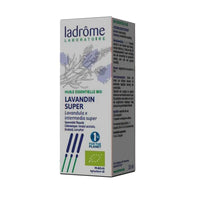
2. Lavender Essential Oil (Lavandula angustifolia)
Known for its calming effect, lavender is a natural antihistamine (meaning it reduces the production of histamine, which is responsible for allergy symptoms), helping to calm allergic reactions, reduce inflammation, and relieve itching, redness, and skin irritation. 2 Furthermore, lavender promotes relaxation, relieving the stress caused by the discomfort of allergies.
How to Use : By direct inhalation—applying 1-2 drops to a tissue or your hands, rubbing, and inhaling deeply—or applied topically after diluting in a carrier oil. For those with skin allergies, a warm bath with 5 drops of lavender essential oil can soothe skin irritation. For a relaxing effect, it can also be used in a diffuser at night, helping to improve sleep quality.
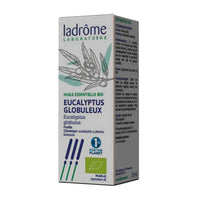
3. Eucalyptus Essential Oil (Eucalyptus globulus)
Eucalyptus is known for its ability to improve breathing by clearing the airways and reducing mucus production. It's therefore ideal for those suffering from nasal congestion and breathing difficulties caused by allergies. Furthermore, its antiseptic properties make it an excellent natural ally for the respiratory tract, helping to prevent secondary infections and providing a feeling of freer, more comfortable breathing .
How to Use : By steam inhalation, add 3 drops to a bowl of hot water, cover your head with a towel, and inhale deeply for a few minutes. It has an immediate effect on opening the airways! It can also be diffused into the environment to keep the air clean and fresh, or applied topically to the chest, diluted in a carrier oil.
4. Chamomile Essential Oil (Matricaria chamomilla or Chamaemelum nobile)
With calming and anti-inflammatory properties, chamomile essential oil is effective in reducing irritation of both the skin and airways . It is especially indicated for skin and respiratory allergies, helping to reduce nasal inflammation and relieve redness and itching, in addition to promoting relaxation.
How to Use : Dilute 2 drops of chamomile essential oil in 1 tablespoon of vegetable oil. Soak a cloth in this mixture, wring out the excess, and apply to the skin with a cold compress to relieve allergic irritation. For respiratory benefits, add a few drops to a diffuser or warm bath.
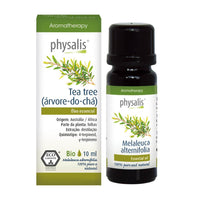
5. Tea Tree Essential Oil (Melaleuca alternifolia)
Tea tree oil is known for its antimicrobial properties, making it one of the most effective in combating allergies. 5 It has an immunomodulatory effect, which moderates the body's exaggerated response to allergens, and is effective in eliminating fungi, bacteria, and viruses that can aggravate allergies, purifying the air and promoting the elimination of particles that trigger allergic reactions.
How to Use : Can be diffused in the environment or applied topically, diluted in a carrier oil, to areas prone to infection or irritation.
Natural Solutions to Relieve Allergy Symptoms
Essential oils are a natural and effective way to relieve seasonal allergy symptoms. Incorporate them into your spring routine to breathe better, reduce inflammation, and benefit from a fresh, relaxing environment. Always remember to follow the recommended dilution instructions for each oil, and if symptoms persist or worsen, consult a healthcare professional. Take a deep breath and enjoy this season of renewal without discomfort!
Read More Bioself Content
Did you enjoy this article? Read other content we've prepared for you on the Bioself blog! There, you'll find information on health and well-being, and even some recipes to try at home. Enjoy.
Referências
Aviso legal
This article is not intended to diagnose, treat, or replace medical advice. Its content is for informational purposes only. Consult a doctor or healthcare professional regarding any medical diagnosis or treatment options related to your health. The claims made about specific products in this article are not approved to diagnose, treat, cure, or prevent disease.