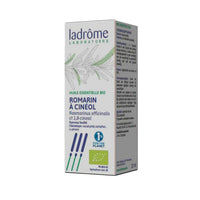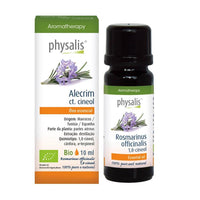

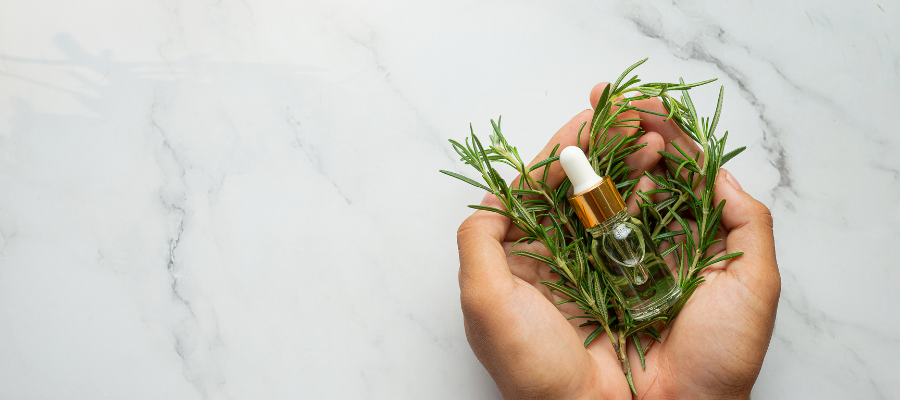
With the growing demand for natural solutions for physical and emotional well-being, essential oils have become a staple in self-care routines. Among the most popular and versatile is rosemary essential oil, which combines a fresh, invigorating aroma with proven therapeutic properties. Used since ancient times by the Greeks, Romans, and Egyptians, it remains a valuable ally for those seeking natural alternatives in health, cosmetics, and well-being.
But what makes rosemary essential oil so special? We'll explain what it is, what it's used for, its main benefits, and how you can use it safely and effectively in your daily life!
What is rosemary essential oil?
Rosemary essential oil is obtained from the leaves and flowers of rosemary (Rosmarinus officinalis), a Mediterranean aromatic plant known for its stimulating and purifying properties. Extraction is typically done by steam distillation, a method that preserves the bioactive compounds responsible for its therapeutic properties.
The main chemical constituents of this oil include cineole, camphor, borneol, alpha-pinene, and limonene. The names may sound complicated, but their potential is broad: they have anti-inflammatory, antimicrobial, antioxidant, analgesic, and even central nervous system stimulant properties—which explains the diverse uses of rosemary essential oil.
What is this essential oil for and what are its benefits?
Rosemary essential oil is used in aromatherapy, cosmetics and phytotherapy (the therapeutic practice that uses plants to prevent and treat diseases), with various scientifically proven benefits:
● Cognitive stimulation and concentration: Several studies indicate that inhaling rosemary's aroma helps improve memory, attention span, and mental clarity. This effect is primarily associated with cineole, one of the plant's main active compounds, which has a significant impact on cognitive performance 1,2 ;
● Relief from muscle and joint pain: thanks to its anti-inflammatory and analgesic properties, rosemary essential oil is effective in relieving muscle, rheumatic and joint pain 3 . It can be applied in massages, always diluted in vegetable oil, to promote muscle relaxation after physical exertion or in situations of accumulated tension;
● Hair growth stimulation: the topical use of rosemary oil on the scalp has been gaining prominence in the fight against hair loss, becoming increasingly popular as a natural alternative to minoxidil (a medication conventionally used to treat alopecia) 4,5 . In addition, rosemary improves blood circulation in the scalp, strengthening hair follicles and stimulating healthy hair growth;
● Antimicrobial properties: the microbial action of rosemary oil acts against a variety of bacteria and fungi, being useful for disinfecting superficial wounds and in the treatment of skin problems such as acne 6,7 ;
● Stimulating the immune system: inhaling rosemary oil stimulates the central nervous system and helps improve the body's resistance, especially during periods of convalescence or increased stress 2 . Its antioxidant effect also helps fight free radicals, promoting cellular health 8 ;
● Respiratory relief: because it contains cineole (also present in eucalyptus), rosemary oil has expectorant properties that help relieve respiratory symptoms such as nasal congestion, coughing or sinusitis, facilitating freer and decongested breathing 9,10 .
How to use rosemary essential oil?
Although natural, rosemary essential oil is highly concentrated and should be used with appropriate precautions, using proven safe and effective methods:
1. Aromatherapy (inhalation)
Add 3 to 5 drops of rosemary essential oil to an electric diffuser or a container of hot water. Inhale the steam for a few minutes to stimulate the mind and relieve mental fatigue. You can also let the aroma naturally spread throughout the space, creating an energizing environment. Alternatively, apply 1 or 2 drops to a tissue or your pillow.
2. Massage (topical use)
Before applying to the skin, it's essential to dilute the essential oil in a vegetable oil (such as coconut oil). For a safe dilution, he recommends 5 drops of essential oil for every 10 ml of base oil. You can then use this mixture in relaxing or therapeutic massages, especially to heal sore muscles or reduce joint inflammation. Never apply the mixture directly to broken or irritated skin.
3. Hair care
Add 2 to 3 drops of rosemary essential oil to your current shampoo. Massage the mixture well into your scalp, leave it on for a few minutes, and rinse as usual. Repeat this process 2 to 3 times a week to stimulate hair growth and strengthen follicles.
4. Aromatic baths
Dilute 5 to 7 drops of essential oil in vegetable oil and add the mixture to your warm bath water. It's a great way to help you relax after a busy day, while also relieving muscle tension and revitalizing your body.
5. Use in skin care
For oily or acne-prone skin, you can add 1 drop of rosemary essential oil to your regular face cream or natural mask. Always apply to a small area of skin first (called a patch test) to ensure your skin tolerates the oil well and doesn't develop an adverse reaction!
We do not recommend ingesting any essential oil without the guidance of a qualified healthcare professional. Consulting a doctor before using essential oils is also essential for pregnant or breastfeeding women, young children, or people with epilepsy or hypertension.
Incorporate rosemary oil into your daily routine!
Rosemary essential oil is a true treasure of nature, brimming with benefits for the body and mind. Whether it's improving concentration, relieving physical pain, stimulating hair health, or simply revitalizing your spirit and surroundings, this oil is a versatile ally that you can easily incorporate into your daily routine.
However, it's essential to respect the concentrated power of essential oils. Always choose quality, 100% pure, and certified products, and strictly follow the usage recommendations. If you have any pre-existing medical conditions, don't hesitate to consult a healthcare professional before using. With these precautions, you'll be prepared to take full advantage of rosemary's potential safely and effectively!
Read More Bioself Content
Did you enjoy this article? Read other content about essential oils that we've prepared for you on the Bioself blog! In addition to this topic, you'll find information on health and well-being on our blog; and even some recipes for you to try at home. Enjoy.
Referências
Aviso legal
This article is not intended to diagnose, treat, or replace medical advice. Its content is for informational purposes only. Consult a doctor or healthcare professional regarding any medical diagnosis or treatment options related to your health. The claims made about specific products in this article are not approved to diagnose, treat, cure, or prevent disease.