








After 40, women's bodies change significantly. In addition to menopause and a slowing metabolism, there is a progressive loss of muscle mass.
The good news is that there is room for action. In this article, we explain:
- Why this loss happens;
- What impact it has on women's health;
- The best foods and supplements for gaining muscle mass.
Why Do You Lose Muscle Mass After 40?
After 40, the loss of muscle mass (called sarcopenia) happens for three main reasons:
- Hormones: testosterone and growth hormone levels drop. These hormones help build and maintain muscle;
- Protein synthesis: the body becomes less efficient at converting food protein into muscle tissue;
- Sedentary lifestyle: many people become less active at this stage of life. Muscle that is not used undergoes atrophy.
In women, the process is more pronounced due to perimenopause and menopause, which has three consequences:
- Estrogen drop: estrogen protects muscles and helps repair them. When levels drop drastically, muscle mass loss is faster.
- Fat distribution: hormonal changes make it easier for visceral fat to accumulate in the belly and for muscle tone to be lost.
- Anabolic resistance: the female body becomes more resistant to muscle growth stimuli, requiring more effort to achieve the same results as before.
The Impact of Muscle Mass Loss After 40
The loss of muscle mass (sarcopenia) has a ripple effect on the female body1. We highlight five consequences:
- Slower metabolism: Muscle mass is directly associated with resting energy expenditure (REE), and its loss contributes to a slower metabolism and a greater tendency toward adiposity. Muscle burns more calories than fat, even at rest. Therefore, with less muscle, energy expenditure decreases, making it easier to gain weight and abdominal fat;
- Poorer bone health: muscle also pulls on the bones, which keeps them strong. Muscle loss is linked to lower bone density, increasing the risk of osteopenia and osteoporosis;
- Risk of falls: less strength in the legs and core impairs balance. This increases the likelihood of falls and fractures, especially after menopause;
- Insulin resistance: muscle tissue is the body's main consumer of glucose. With less muscle, blood sugar rises more easily, increasing the risk of Type 2 Diabetes;
- Chronic fatigue: simple tasks, such as carrying groceries or climbing stairs, become more tiring. The feeling of low energy becomes constant.
The impact also happens at the hormonal level.
In fact, muscle loss promotes a state of chronic low-grade inflammation2. This can worsen joint pain and affect mood, which is already usually altered due to estrogen fluctuations at this stage.
It is also worth highlighting a study that showed how people with less muscle mass had a higher risk of suffering cardiovascular problems3.
The Best Foods for Gaining Muscle Mass After 40
After 40, a woman's body needs more animal and plant protein to signal muscle growth. The highest quality sources are as follows:
- Fatty fish (salmon, tuna, or sardines): in addition to protein, omega-3 helps reduce muscle inflammation and improves insulin sensitivity;
- Lean meats (chicken or turkey): they are dense sources of protein with little saturated fat;
- Eggs: they contain leucine, the most important amino acid for muscle synthesis;
- Yogurt: it is rich in casein (slow-absorbing protein), ideal for keeping muscle nourished overnight.
You can also opt for plant proteins and fiber4, such as legumes (beans, lentils, or kidney beans) and tofu.
Other strategic micronutrients include:
- Dark leafy greens (spinach or kale): they are rich in magnesium and calcium, essential for muscle contraction and bone health;
- Berries: powerful antioxidants that help with post-workout muscle recovery;
- Nuts: they are healthy fats that provide energy and support hormone production.
Focus on breakfast. Many women only eat toast or fruit in the morning, but the body comes from an overnight fast where it “catabolized” (used) muscle.
Therefore, start the day with, for example, eggs, quark cheese, protein yogurt, or a protein shake. Ensure protein right at the first meal.
The Best Supplements for Gaining Muscle Mass After 40
For women over 40, supplementation serves to compensate for the body's lower efficiency in building muscle and help with hormonal recovery.
Creatine deserves special mention, as it is among the supplements with the strongest scientific evidence.
In fact, creatine is safe and effective, especially during perimenopause and menopause. In addition to increasing explosive strength, it helps maintain muscle hydration and improves bone density.
Additionally, it has cognitive benefits, helping to combat the “brain fog” common at this stage5.
The recommended dose is 3g to 5g every day (even on days when you don't work out).
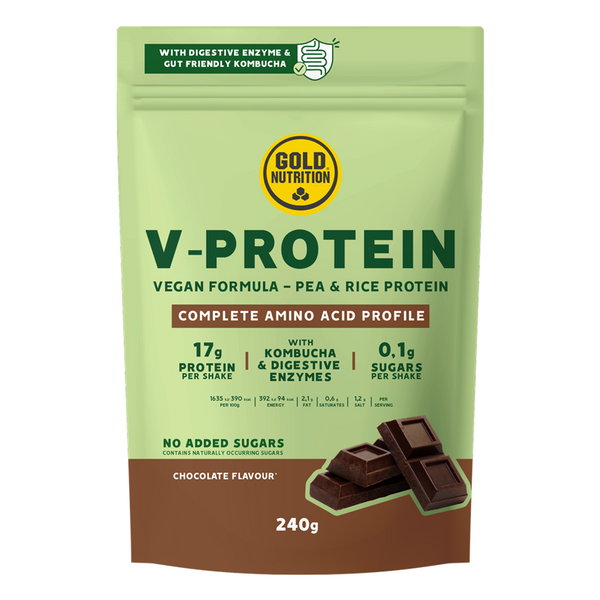
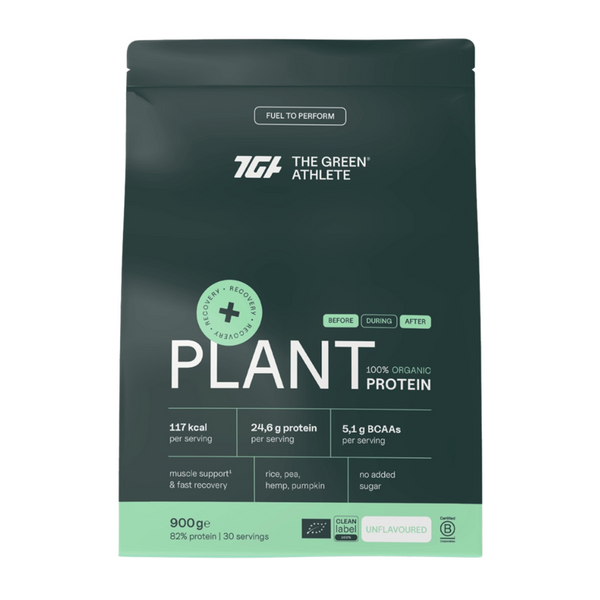
Protein isolate (whey or plant) also deserves recognition, as it is a practical way to reach the daily protein goal.
What Is the Importance of Training for Gaining Muscle Mass After 40?
Diet is not enough. Training is the only stimulus capable of reversing muscle loss. Without physical exercise, the body interprets muscle as an “expensive tissue,” meaning it consumes a lot of energy, and gets rid of it to save resources.
Strength training with weights, in particular, is the mechanical signal that forces cells to absorb protein and repair muscle fibers, making them stronger.
Two to three times a week of strength training is enough if it is intense.
For muscle to grow, the weight must be challenging (ideally, you should feel that the last two reps are difficult).
Muscle mass loss is common after 40
After 40, losing muscle mass is common in women. But it is not inevitable or irreversible.
Strategies such as combining a high-protein diet with regular strength training6 and using creatine as a supplement can be decisive.
Learn more about health with Bioself
If this article was useful, explore other articles on our blog and learn tips and advice for a stronger immune system, routines for sleeping better and much, much more!
Explore our health content and recipes and subscribe to our newsletter for news directly in your email.
References
Disclaimer
This article is not intended to diagnose, treat, or replace medical advice, and its content is for informational purposes only. Consult a doctor or healthcare professional regarding any medical diagnosis related to your health or any potential treatment options. The claims made about specific products in this article have not been approved to diagnose, treat, cure, or prevent disease.