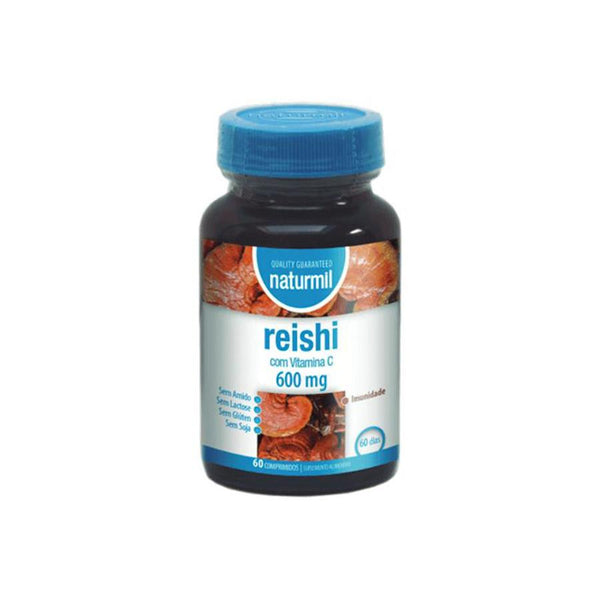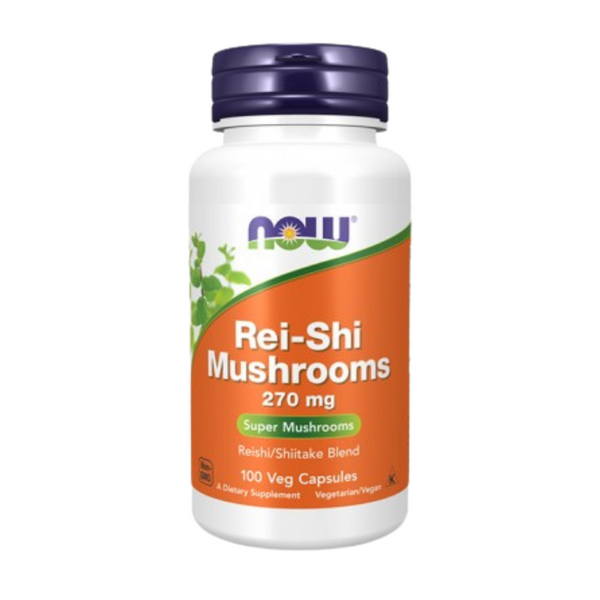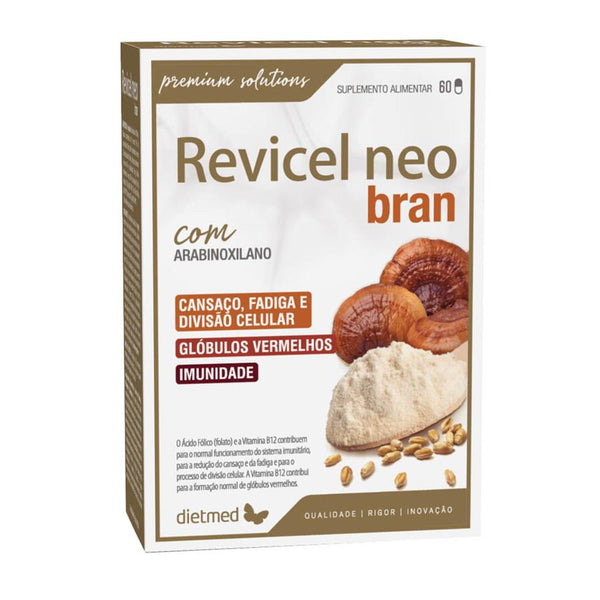










“Mushroom of immortality”. That is how the Reishi mushroom was called in ancient China, due to its ability to promote longevity and vitality.
Nowadays, this fungus has gained popularity in the West as a powerful ally of well-being.
In this article, we are going to explain exactly what the Reishi mushroom is used for and also share:
- How to consume it safely;
- What precautions to take before you start taking it.
What is the Reishi Mushroom?
Reishi is a medicinal mushroom that grows at the base of deciduous trees, especially in hot and humid climates in Asia3.
Unlike common mushrooms, Reishi is not used in cooking because it has a woody, hard texture and a very bitter taste. Instead, it is dehydrated and turned into powder, capsules, or liquid extracts for consumption as a dietary supplement.
What makes this fungus so special are its active compounds, which interact with our immune system and help balance the body's response to stress1,2.
What is the Reishi Mushroom Used For? 5 Benefits
The Reishi mushroom is essentially used to balance the body. It works as an adaptogen, that is, it is a natural substance that helps the body adapt to and resist physical and mental stress.
The main benefits of the Reishi mushroom are as follows.
-
Immune system support: Reishi stimulates the production and activity of white blood cells, the cells responsible for fighting infections and diseases2. It helps the body respond more effectively against viruses and bacteria.
- Reduction of fatigue and stress: as it is an adaptogen, Reishi helps balance stress hormones (such as cortisol). Regular consumption reduces physical tiredness and mental exhaustion caused by daily routine1.
- Antioxidant and anti-inflammatory action: Reishi fights free radicals that cause cell aging. This helps reduce chronic inflammation in the body, protecting long-term health.
-
Cardiovascular health support: some studies suggest that Reishi helps regulate cholesterol levels and improve blood circulation, which contributes to the proper functioning of the heart3.
- Liver health support: in the same way, Reishi is associated with a hepatoprotective effect, that is, it helps preserve liver function4.
Some more recent studies have explored the role of Reishi in a broader metabolic and immunological context. One study shows that this mushroom has positive effects on patients with COVID-19, for example5.
How to Consume the Reishi Mushroom?
As Reishi is hard and bitter, it is not eaten at meals. Consumption is done through supplements and preparations.
The most common ways to consume it are:
-
Capsules or Tablets: it is the most practical form, avoids the bitter taste and ensures a controlled and exact dose of active compounds.
-
Soluble Powder: in this case, it is mixed in coffee (known as Reishi coffee), teas, smoothies, or soups. The bitter taste is noticeable, so it is usually masked with cocoa or cinnamon.
- Tea or Infusion: you should boil dried mushroom pieces in water for 30 to 60 minutes to extract the nutrients. The resulting tea is quite bitter.
Always follow the dosage recommended by the manufacturer on the label, as the concentration varies greatly between brands.
If you are looking to boost your wellness routine with other antioxidant support ingredients, you can also check out the Bioself article on antioxidant supplements and longevity, which complements this information.
What Are the Side Effects and Contraindications of the Reishi Mushroom?
Although the Reishi mushroom is safe for most people, it contains powerful active compounds that can cause side effects and interactions with medications1.
These are the groups that should definitely not take this supplement:
- People who take anticoagulants: Reishi can slow down blood clotting. Mixing it with blood-thinning medications (such as aspirin or warfarin) increases the risk of bruising and bleeding.
- People with scheduled surgeries: due to the risk of bleeding, you should stop consuming Reishi at least two weeks before any operation.
- Pregnant women: there are not enough scientific studies to guarantee the safety of Reishi during pregnancy or breastfeeding. For this reason, it is best to avoid it.
- People with low blood pressure: Reishi can lower blood pressure. If you already have low blood pressure or take medication for hypertension, using this mushroom can cause your blood pressure to drop too low.
The side effects are rare and usually mild, usually occurring when the mushroom is consumed in high doses or for long periods (more than 3 to 6 months)1:
- Dry mouth, throat, and nasal passages.
- Stomach discomfort, nausea, or diarrhea.
- Dizziness or mild headaches.
- Itching or skin rashes (rare allergic reaction).
Always consult a healthcare professional before starting the supplement, especially if you already take daily medication.
Conclusion
The Reishi mushroom combines a history of millennial use with a growing body of scientific evidence about its role in immunity, cell protection, and body balance1,3. Still, as with any supplement, information and professional guidance are essential for safe and effective consumption.
Did you enjoy learning about the benefits of Reishi? Share this article on social media and help more people discover this millennial mushroom!
Learn more about health with Bioself
If this article was useful, explore other articles on our blog and learn tips and advice for a stronger immune system, routines for better sleep and much, much more!
Explore our health content and recipes and subscribe to our newsletter for news directly in your email.
References
Disclaimer
This article is not intended to diagnose, treat, or replace medical advice, and its content is for informational purposes only. Consult a doctor or healthcare professional regarding any medical diagnosis related to your health or any potential treatment options. The claims made about specific products in this article have not been approved to diagnose, treat, cure, or prevent disease.