

-
Descrição
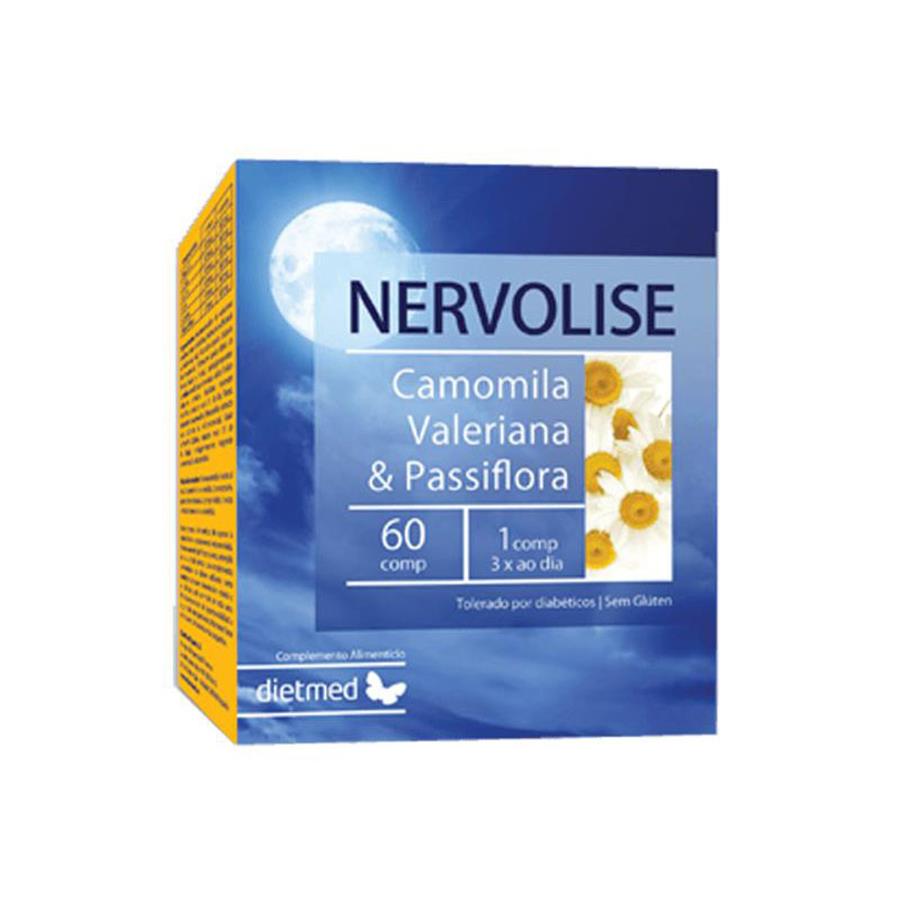
SLEEP ON IT
All organisms experience rhythmic changes in physiological functions and behavior daily. These rhythms are called circadian because, in the absence of a time reference, such as a regular daily wake-up time, they appear as "spontaneous events," occurring approximately once a day. In humans, one of the most important of these rhythms is the sleep/wake cycle.
Sleep is a natural state of decreased consciousness and reduced metabolism. At least once in our lives, for various reasons, we may experience a bad night's sleep. However, some individuals are more predisposed than others. Stress is the main cause of sleep disorders. The main stressors are, as a rule, pressure related to studies or work, family problems, and the death or serious illness of someone close to us.
When faced with a stressful situation, the body reacts in an organized and systematic way, increasing the production of certain hormones and chemical mediators. These alter heart rate, blood pressure, general metabolism, and physical activity, enhancing certain physical capacities. However, above certain levels of stimulation, the body can no longer adapt, and the individual becomes unable to respond to stimuli. Continuous exposure to stress-inducing factors leads to symptoms of mental and physical imbalance (anxiety, depression, indigestion, palpitations, muscle pain, etc.).
Good sleep hygiene is essential. The basic rules of sleep hygiene are as follows:
1- Keep a regular schedule, whether for sleeping or waking up;
2- Go to bed only when you feel sleepy, sleeping only the number of hours needed to feel refreshed;
3- Keep the bedroom environment suitable for sleep, that is, without noise, dark, mild temperature (neither too hot nor too cold);
4- Practice a relaxing activity before bedtime (reading, calm music, etc.);
5- If you do not fall asleep after 30 minutes, you should leave the room and go to another part of the house to do a relaxing activity;
6- Use the bedroom only for sleeping and sexual activities. You should avoid using it as a workspace or for discussions;
7- Eat dinner moderately at a regular, appropriate time;
8- Avoid sleeping during the day;
9- Avoid consuming stimulant drinks (coffee, tea, colas), tobacco and alcohol during the afternoon and evening;
10- Exercise regularly but never close to bedtime.Vegan friendly. Gluten-free. Lactose-free. Suitable for diabetics.
-
Disclaimer
Bioself Natura Ltda. is not responsible for any discrepancies and/or changes in the product information provided by the supplier/manufacturer on the website, as stated on the product labels. Therefore, we recommend that you always read the mandatory and/or voluntary information on product labels before using or consuming them.
-
Descrição
SLEEP ON IT
All organisms experience rhythmic changes in physiological functions and behavior daily. These rhythms are called circadian because, in the absence of a time reference, such as a regular daily wake-up time, they appear as "spontaneous events," occurring approximately once a day. In humans, one of the most important of these rhythms is the sleep/wake cycle.
Sleep is a natural state of decreased consciousness and reduced metabolism. At least once in our lives, for various reasons, we may experience a bad night's sleep. However, some individuals are more predisposed than others. Stress is the main cause of sleep disorders. The main stressors are, as a rule, pressure related to studies or work, family problems, and the death or serious illness of someone close to us.
When faced with a stressful situation, the body reacts in an organized and systematic way, increasing the production of certain hormones and chemical mediators. These alter heart rate, blood pressure, general metabolism, and physical activity, enhancing certain physical capacities. However, above certain levels of stimulation, the body can no longer adapt, and the individual becomes unable to respond to stimuli. Continuous exposure to stress-inducing factors leads to symptoms of mental and physical imbalance (anxiety, depression, indigestion, palpitations, muscle pain, etc.).
Good sleep hygiene is essential. The basic rules of sleep hygiene are as follows:
1- Keep a regular schedule, whether for sleeping or waking up;
2- Go to bed only when you feel sleepy, sleeping only the number of hours needed to feel refreshed;
3- Keep the bedroom environment suitable for sleep, that is, without noise, dark, mild temperature (neither too hot nor too cold);
4- Practice a relaxing activity before bedtime (reading, calm music, etc.);
5- If you do not fall asleep after 30 minutes, you should leave the room and go to another part of the house to do a relaxing activity;
6- Use the bedroom only for sleeping and sexual activities. You should avoid using it as a workspace or for discussions;
7- Eat dinner moderately at a regular, appropriate time;
8- Avoid sleeping during the day;
9- Avoid consuming stimulant drinks (coffee, tea, colas), tobacco and alcohol during the afternoon and evening;
10- Exercise regularly but never close to bedtime.Vegan friendly. Gluten-free. Lactose-free. Suitable for diabetics.
-
Disclaimer
Bioself Natura Ltda. is not responsible for any discrepancies and/or changes in the product information provided by the supplier/manufacturer on the website, as stated on the product labels. Therefore, we recommend that you always read the mandatory and/or voluntary information on product labels before using or consuming them.
Também poderá gostar
-
-15%

Dietmed Dietform Pic 30 Vegetable Capsules
0/5 - 0 Opiniões€0,79 por Capsule€23,71
€27,90
-
-15%

Dietmed Relaxen 60 Tablets
0/5 - 0 Opiniões€0,22 por Tablet€13,56
€15,95
-
-15%
Dietmed Curcumega Max 10,000mg 60 Capsules
0/5 - 0 Opiniões€0,43 por Capsule€26,14
€30,75
-
-15%
Dietmed Psyfort Strong 20 Ampoules
0/5 - 0 Opiniões€1,30 por Ampoule€26,09
€30,70
-
-15%

Dietmed Omegamais 60 Capsules
0/5 - 0 Opiniões€0,45 por Capsule€27,16
€31,95
-
-15%
DietMed NutriKings Calm Passionflower, Orange and Melatonin 150ml
0/5 - 0 Opiniões€0,08 por ml€12,62
€14,85
-
-15%

Dietmed Bacidofilus Mental 30 Capsules
0/5 - 0 Opiniões€0,59 por Capsule€17,81
€20,95
-
-15%
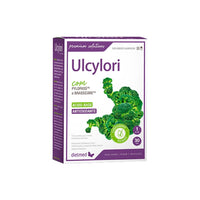
Dietmed Ulcylori with Brassicare 30 capsules
0/5 - 0 Opiniões€0,72 por Capsule€21,80
€25,65
-
-15%
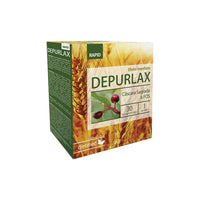
Dietmed Depurlax 30 Tablets
0/5 - 0 Opiniões€0,28 por Tablet€8,67
€10,20
-
-15%

Dietmed Psyfort 30 capsules
0/5 - 0 Opiniões€0,84 por Capsule€25,24
€29,70
-
-15%
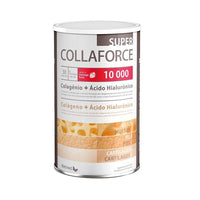
Dietmed Super Collaforce 10,000mg Powder 450g
0/5 - 0 Opiniões€0,05 por Gram€23,54
€27,70
-
-15%

Dietmed Bacidofilus Plus Digestive 60 Capsules
0/5 - 0 Opiniões€0,37 por Capsule€22,61
€26,60