










September arrives and brings challenges. The alarm clock rings early again, emails fill the inbox, and the inevitable stress of routines sets in. The body is still accustomed to the pace of the holidays: focus is hard to regain and, by the end of the day, the head feels heavier than it should.
It is no coincidence that peppermint essential oil appears at this time of year as a wellness recommendation. With the promise of immediate freshness, it has revitalizing potential – but it is important to understand what the real benefits are and how to use it safely, for a simple self-care routine without avoidable mistakes.
What is peppermint oil
Peppermint (Mentha piperita) is not an ancestral plant: it was born from a cross between spearmint and watermint. Its essential oil is extracted from the leaves by steam distillation and concentrates several compounds, including menthol and menthone, which are responsible for the sensation of freshness and the slight analgesic effect we feel when it comes into contact with the skin and mucous membranes1.
Much of its action comes from this composition. Menthol interacts with the cold receptors in the skin and digestive mucous membranes, creating a refreshing sensation without the temperature actually dropping. This is also why the most studied effects of peppermint oil are linked to the digestive system.
One note before we move on: an oil being natural does not mean it is harmless. All essential oils are highly concentrated substances that require careful use tailored to the objective.
Energy and attention upon returning to routines
The aroma of peppermint is stimulating, and this is one of its uses most associated with the world of wellness. It is associated with increased alertness and performance in tasks that require attention, and there are also some studies that point to improvements in memory and cognitive function – promising results, but which still need larger trials to be confirmed1.
Using the aroma of the oil to help “wake up” attention upon returning to routine is, therefore, a reasonable practice, with a scientific basis and very low risk. But be aware that none of this replaces the essentials: sufficient sleep, hydration, and real breaks at work.
Try diffusing peppermint at your desk in the early afternoon, or when you feel your attention waning. It is a pleasant gesture and a sensory complement that helps you start a task. You can also explore other essential oil combinations for the diffuser.
When work brings headaches
Returning to work brings hours at the computer, tension in the neck, and accumulated stress. It is the perfect breeding ground for tension headaches, a type of pain that is normally described as pressure or tightness around the head, in a band, distinct from the throbbing sensation typical of a migraine.
One study compared the topical application of diluted peppermint oil to the temples with the use of paracetamol and found similar results2. The mechanism combines the local cooling effect of menthol with the analgesic action on the surface – note, however, that the application is very specific: diluted, topical, and localized.
The benefits of peppermint oil on the digestive system
Despite the popular association with energy and freshness, it is in the intestine that research finds the most consistent results.
Peppermint oil can help relieve symptoms such as abdominal pain and discomfort, bloating, distension, and changes in bowel movements – especially in the context of irritable bowel syndrome3. Here too, the studied form is specific: enteric-coated capsules, designed to pass through the stomach intact and release the oil only in the intestine4. Menthol acts there as a natural antispasmodic, reducing excessive involuntary contractions. This effect can also be especially useful during periods of increased stress, when gastrointestinal symptoms tend to worsen.
There is also evidence, although more limited, that inhaling the oil (through aromatherapy, without ingestion) helps alleviate feelings of nausea, especially in a post-operative context or during medical treatments5.
How to use peppermint oil safely
As we have already seen, there is no universal “mode of use.” The route depends on the objective, always starting with a pure and high-quality essential oil:
For aromatherapy and environmental use: three to five drops in a diffuser with water, or two drops on a tissue or a cotton ball near your workspace. Diffuse in 20 to 30-minute sessions, in a ventilated space, instead of leaving the diffuser on for hours at a time – continuous exposure tends to saturate the sense of smell, and the freshness effect is lost. If you share the space, make sure no one around you is sensitive to strong aromas.
For topical use (temples, neck): always dilute the oil in a carrier oil (coconut, sweet almond, or jojoba oil, for example) at a ratio of about two to three drops per teaspoon. Never apply it undiluted, at the risk of irritation or a burning sensation. Avoid the eye area and mucous membranes, and do a patch test on a small area of skin before the first use.
For digestive symptoms: oral enteric-coated capsules, taken according to the package insert or the indication of a healthcare professional, typically before meals. Never ingest the pure essential oil.
For nausea: inhalation. Two or three drops on a tissue, in a diffuser, or directly from the bottle. It is neither necessary nor recommended to ingest the oil for this purpose.
General precautions: the oil should not be used on babies or young children, as menthol can affect breathing. The same caution applies to pets, especially cats, which metabolize essential oils poorly. If you have gastroesophageal reflux, hiatal hernia, or gallbladder and bile duct problems, avoid the oral route: the same muscle relaxation that relieves the intestine can worsen heartburn. Pregnant women, nursing women, and people on regular medication should consult a professional before incorporating it into their routine, as peppermint can interact with drugs metabolized by the liver.
And if you have frequent, severe, or unusual headaches, seek evaluation from a healthcare professional. Essential oils are not an answer for serious symptoms.
For a balanced September
Peppermint oil is a good ally upon returning to routine, provided it is used for the right reasons and in the appropriate ways. The benefits for energy, focus, and tension are promising, but its most well-founded application is in the relief of digestive symptoms.
Keeping this in mind helps manage expectations. Freshness and aroma are real and valuable experiences, but knowing exactly what to expect from an essential oil is what allows you to use it safely and take care of yourself with discernment.
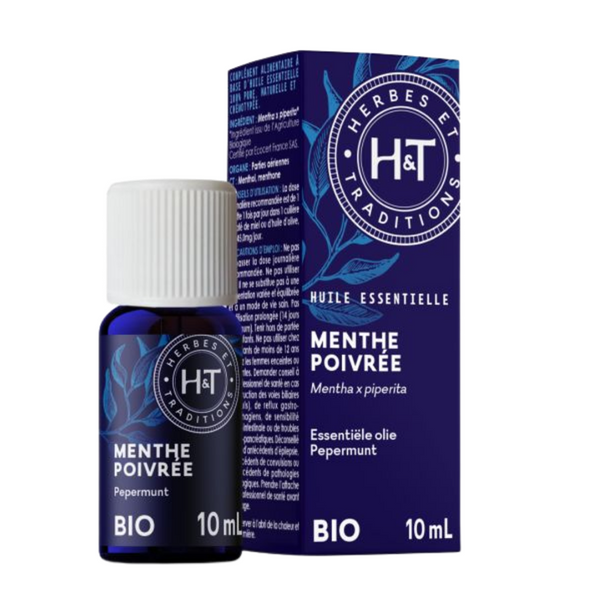
You can view some of our peppermint essential oil suggestions below.
References
Disclaimer
This article is not intended to diagnose, treat, or replace medical advice, and its content is for informational purposes only. Consult a doctor or healthcare professional regarding any medical diagnosis related to your health or any potential treatment options. The claims made about specific products in this article have not been approved to diagnose, treat, cure, or prevent disease.