








Following our article on cholesterol , it's crucial that we delve deeper into our understanding of HDL—high-density lipoprotein—often referred to as "good cholesterol." Unlike LDL ("bad cholesterol"), HDL plays a protective role in our cardiovascular health. Let's explore HDL's function in the body and discover natural and effective ways to increase HDL cholesterol levels.
It is important to note that this content does not replace the need to consult a properly qualified healthcare professional and follow their recommendations.
What is HDL and What is Its Function?
HDL (high-density lipoprotein), or high-density lipoprotein, is a complex particle composed of proteins and lipids that is traditionally known to play a crucial role in our cardiovascular health.
Its main function is to remove excess cholesterol from cells and transport it back to the liver, where it can be processed and subsequently eliminated. This process, known as reverse cholesterol transport, is essential for preventing cholesterol buildup in arterial walls, thus reducing the risk of cardiovascular disease.
Benefits of HDL Cholesterol
Higher HDL levels are associated with a lower risk of cardiovascular disease. 1 HDL cholesterol not only helps our bodies remove excess cholesterol, but also has anti-inflammatory and antioxidant properties, protecting cells from oxidative stress and inflammation, factors that contribute to the development of heart disease. 2
How to Increase HDL Levels Naturally
Food to Boost HDL
- Good fats : Include foods rich in omega-3 fatty acids in your diet, such as fatty fish (salmon, sardines, mackerel) and nuts and seeds (walnuts, almonds, cashews, flaxseeds, chia seeds, etc.). Also choose sources of monounsaturated fats, such as olive oil. These nutrients have been linked to increased HDL levels.
- Soluble Fiber: Foods rich in soluble fiber, such as oats, legumes, and fruits, can help increase HDL while lowering LDL (the “bad cholesterol”).
- Antioxidant-Rich Foods: Colorful fruits and vegetables, as well as green tea, are excellent sources of antioxidants that can help increase HDL cholesterol.
Physical Exercise: A Powerful Ally
Regular exercise is one of the most effective ways to increase HDL levels. It is recommended:
- Aerobic Exercise: Activities such as brisk walking, running, swimming, or cycling, performed for at least 30 minutes, 5 times a week, can contribute to increasing HDL cholesterol and reducing LDL cholesterol.
- Resistance Training: Including strength exercises in your routine can also contribute to increasing HDL.
- Consistency is Key: Increasing HDL through exercise is gradual and requires consistency. Maintain a regular exercise routine to see lasting results.
Other Practices and Routines to Increase HDL
- Maintaining a Healthy Weight: Weight loss in overweight or obese individuals favors an increase in HDL levels.
- Reduce your intake of sugar and refined carbohydrates: A diet low in refined sugars can help improve your cholesterol profile.
- Don't smoke: Quitting smoking not only reduces your risk of cardiovascular disease, but can also increase your HDL levels.
- Stress management: Stress-reduction practices such as meditation and yoga can positively impact HDL levels.
- Adequate Sleep: Maintaining a regular, quality sleep routine can positively influence HDL levels.
Supplementation and HDL
While the primary approach to raising HDL and maintaining adequate levels always involves lifestyle changes and long-term maintenance, some supplements have shown potential to positively influence HDL levels. These include:
- Anthocyanins – adequate supplementation with anthocyanins promotes an increase in HDL in individuals with dyslipidemia 3 .
- Red Rice – studies show that Red Yeast Rice contributed to the reduction of LDL cholesterol and increase of HDL cholesterol 4 .
- L-Carnitine – preliminary studies suggest that supplementation with L-Carnitine results in a clear improvement in the lipid profile, with a reduction in LDL cholesterol and an increase in HDL 5 .
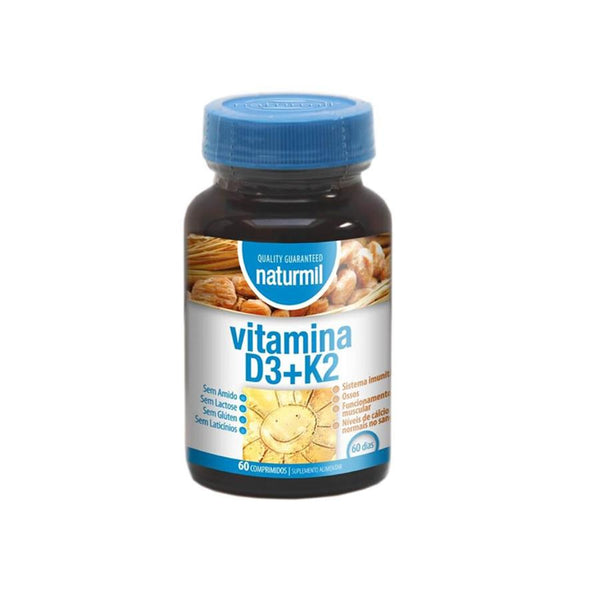
- Vitamin D – this supplement is studied as promoting the reduction of LDL cholesterol in the blood 6 .
- Omega 3 - Fish oil supplements, rich in omega-3s, are known to reduce triglyceride levels and may slightly increase HDL cholesterol, while also reducing inflammation and promoting cardiovascular health 7 .
However, be aware that it is crucial to consult a qualified healthcare professional before starting any supplement regimen, as the effects of supplements can vary from person to person.
HDL plays a vital role in maintaining cardiovascular health, acting as a guard against cholesterol buildup in the arteries. By adopting a balanced diet rich in healthy fats and fiber, maintaining a regular exercise routine, and practicing healthy lifestyle habits, we can naturally increase HDL levels in the body. Remember, consistency is key to seeing lasting results. Take care of your "good cholesterol," and it can help take care of your heart!
Did you enjoy this article? Share it on social media to help friends and family better manage their cardiovascular health. Don't forget to let us know in the comments if you've already implemented or plan to implement any of these strategies to increase HDL cholesterol!
References
Disclaimer
This article is not intended to diagnose, treat, or replace medical advice, and its content is for informational purposes only. Consult a doctor or healthcare professional about any medical diagnosis related to your health or any potential treatment options. The claims made about specific products in this article have not been approved to diagnose, treat, cure, or prevent disease.